


How to Manage On-Site Propane and Shielding Gas Supplies for Multi-Site Projects in Toronto
August 8, 2026 6:45 pm
Managing fuel and shielding gas supplies across several GTA job sites requires clear coordination, proper storage, and reliable delivery routes. Construction supervisors and shop managers facing tight building deadlines cannot afford downtime from empty cylinders or broken welding torches. Coordinating multi-site fuel deliveries, maintaining safety compliance, and supplying the right welding equipment keeps trades working without interruption. Partnering with a reliable gas supplier in Toronto helps multi-site contractors keep bulk propane, shielding mixtures, and welding gear fully stocked across every location.
GTA job sites often run distinct operations simultaneously, from structural steel fabrication to commercial kitchen buildouts. Managing these varied demands means balancing heavy-duty welding consumables alongside specialized items like food-grade gas cylinders for commercial beverage and food systems. Having a unified supply plan prevents costly project stalls and simplifies administrative tracking across all locations.
Standardizing Site Delivery Schedules And Inventory Tracking
- Establish centralized order points for all job sites
Centralizing procurement prevents individual site managers from placing duplicate or conflicting orders. A single purchasing officer coordinates with a trusted propane supplier in GTA locations to standardize drop-off schedules. Central tracking keeps administrative records clear, reduces delivery fees, and ensures every active site maintains consistent gas reserves.
- Audit active cylinder counts every week
Uncounted cylinders sitting on remote sites generate unnecessary rental charges and hide supply shortages. Weekly audits track cylinder movement between active work zones and storage compounds. Working alongside an experienced gas supplier in Toronto allows contractors to return empty tanks promptly, reducing overhead expenses across all active projects.
- Forecast gas consumption based on active trade phases
Heavy structural welding phases require continuous argon and carbon dioxide blends, while winter enclosure work spikes fuel consumption. Planning orders around trade schedules keeps work moving without sudden shortages. According to the Canadian Propane Association, winter heating demands can double site fuel usage, requiring proactive refilling schedules.
- Maintain dedicated emergency reserve stock on main sites
Unexpected weather changes or overtime shifts quickly drain active gas supplies. Keeping a dedicated buffer stock of propane, shielding blends, and essential welding wire prevents work stoppages.
- Group location orders to streamline driver routes
Scheduling deliveries for nearby job sites on the same day cuts down on transport costs. Dispatchers group drop-offs geographically, allowing delivery trucks to service multiple locations in one trip. This approach guarantees that your chosen propane supplier in GTA sites can deliver cylinders on time without delays.
- Combine gas orders with welding supply replenishments
Ordering welding wire, contact tips, safety gear, and gas on the same invoice simplifies site logistics. Bundling equipment orders with cylinder drop-offs keeps fabrication crews equipped without managing multiple vendor shipments. Working with a versatile gas supplier in Toronto streamlines overall site purchasing into one manageable process.
Ensuring Safety Compliance and Site Storage Standards
- Install certified storage cages at every work location
Ontario safety regulations require secure, upright storage for all compressed gas cylinders. Storage cages protect valves from impact damage and keep unauthorized personnel away from high-pressure tanks. A reputable propane supplier in GTA developments can advise on compliant cage placements that meet local fire codes.
- Separate flammable fuels from oxidizing and shielding gases
Storing fuel gases alongside oxygen cylinders creates severe fire hazards on active job sites. Regulatory guidelines require physical barriers or specific separation distances between full and empty fuel containers. According to the Infrastructure Health and Safety Association, proper cylinder separation remains a primary focus during site inspections.
- Inspect welding torches, regulators, and hoses daily
Worn hoses and loose regulator fittings cause gas leaks that waste expensive shielding mixtures and endanger workers. Site safety leads should inspect torch setups, leads, and regulators before every shift. Replacing damaged equipment immediately maintains consistent weld quality and prevents dangerous gas build-ups in confined areas.
- Train site personnel on proper cylinder handling techniques
Improper lifting or rolling of gas cylinders causes frequent workplace injuries and valve damage. Site crews need clear instruction on using cylinder carts, securing safety caps, and hoist safety. Call Josef Gases at (416) 658-1212 to discuss safety resources and compliant gas equipment for your crews.
- Keep specialized gas lines clearly labelled on mixed-use sites
Projects involving commercial spaces often require diverse supplies, ranging from heavy industrial gases to food-grade gas for kitchen testing. Clear label tags prevent workers from connecting industrial regulators to specialized lines. Proper marking keeps supply systems safe and ensures every trade uses the correct gas grade.
- Store backup welding equipment in weather-resistant enclosures
Moisture and dust ruin delicate welding helmet sensors, torch leads, and wire feeders left on open sites. Dedicated storage boxes keep backup welding supplies and regulators dry and ready for immediate use. Protecting your welding gear extends tool life and prevents costly equipment failures during critical welds.
Optimizing Equipment Selection and Specialized Gas Integration
- Select the correct shielding gas mix for specific metals
Structural steel welding requires carbon dioxide and argon mixes, whereas stainless steel fabrication demands precise tri-mix blends. Using the wrong shielding gas causes poor weld penetration and costly rework. An established gas supplier in Toronto provides the exact gas mixtures needed for certified structural welds.
- Match welding machines and torches to site power availability
Remote job sites often rely on generator power, requiring multi-process welding machines with clean power input. Equipping crews with robust engine-driven welders or portable inverter units ensures smooth arc stability. Matching torch duty cycles to the job prevents equipment overheating and keeps fabrication schedules on track.
- Supply high-purity gases for commercial and hospitality buildouts
Constructing restaurants, breweries, or food processing facilities requires clean, certified gases for pipe purging and system testing. Utilizing pure food-grade gas guarantees that processing lines remain free from industrial contaminants during installation. This step ensures full compliance with Canadian health standards before facilities open.
- Equip crews with quality welding consumables and safety gear
Low-quality welding wire, drive rolls, and contact tips cause wire feeding issues and arc instability. Providing trade crews with premium welding consumables reduces downtime caused by burnbacks and clogged torch liners. Quality personal protective equipment, including auto-darkening helmets, keeps welders working safely and efficiently.
- Monitor gas flow rates with calibrated regulators
Excessive shielding gas flow wastes expensive gas without improving weld quality, while low flow leads to weld porosity. Calibrated flow meters ensure precise gas delivery at the arc. Partnering with a reliable propane supplier in GTA industrial sectors helps contractors maintain efficient gas usage across projects.
- Integrate multi-gas manifold systems on large fabrication sites
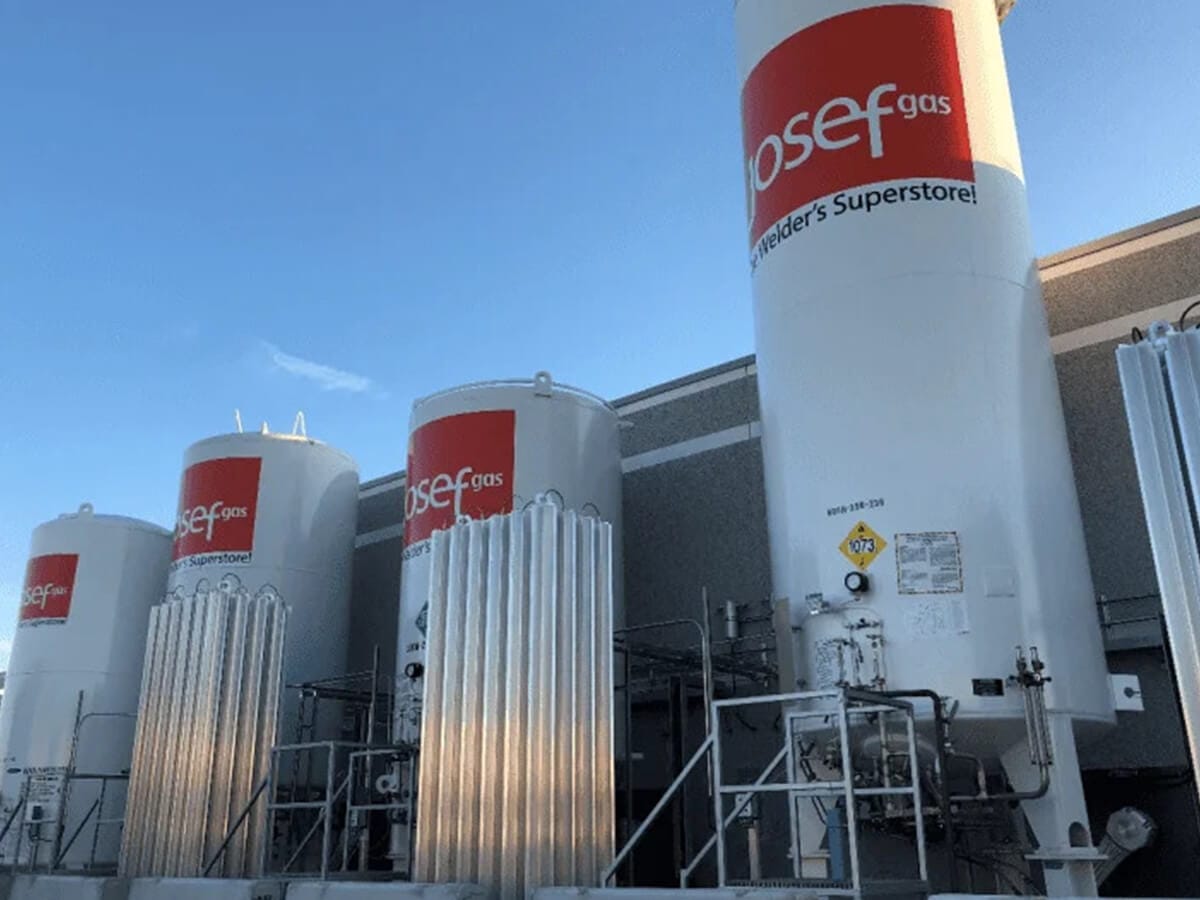
Centralized gas manifolds supply multiple welding stations from a single bulk cylinder bank, eliminating individual site tanks. Manifolds reduce cylinder handling risks and maintain consistent line pressure for high-volume fabrication work. To explore manifold installations and bulk gas delivery, reach out to Josef Gases at (416) 658-1212.
- Verify pure gas certification for food and beverage installations
Installing beverage lines or food packaging equipment demands verifiable purity documentation for nitrogen and carbon dioxide. Using certified food-grade gas protects piping systems from residue and ensures client acceptance. Sourcing these specialized gases from a certified supplier keeps your multi-site installations fully compliant.
Managing gas inventory across multiple Toronto job sites requires detailed planning, reliable delivery partners, and strict safety protocols. Standardizing procurement, scheduling regular cylinder audits, and maintaining quality welding equipment protects your project timeline and bottom line. Balancing heavy propane needs with specialized requirements like food-grade gas keeps diverse construction operations running smoothly across every location.
Working with an experienced distributor eliminates the frustration of unexpected gas shortages and equipment failures. Josef Gases provides comprehensive industrial gas deliveries, bulk propane solutions, and professional welding supplies tailored to GTA contractors. Call Josef Gases at (416) 658-1212 to streamline your multi-site gas supply, order welding gear, and schedule dependable job site deliveries today.



