

The 5-Minute Safety Check: Propane Handling for Rink Staff
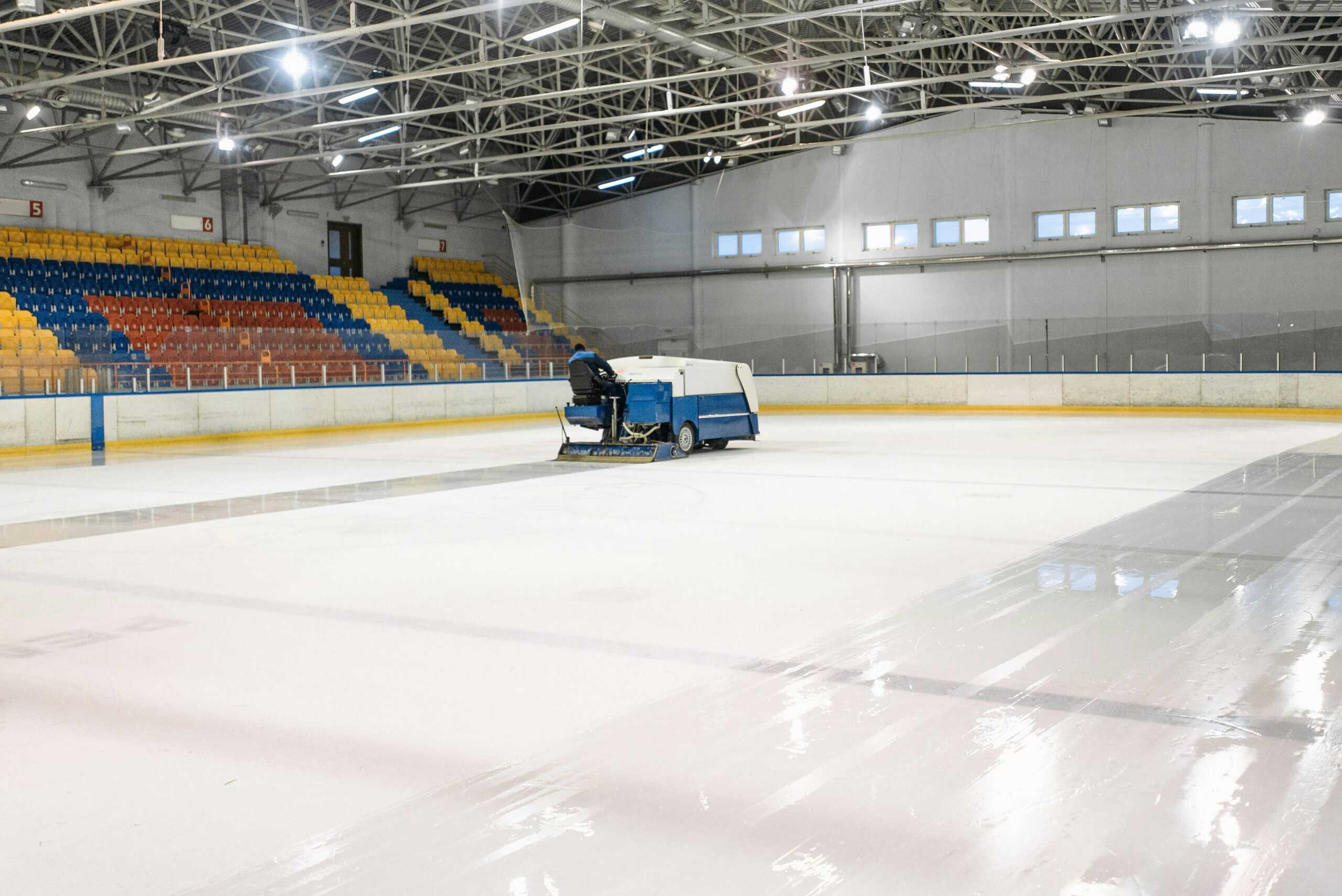
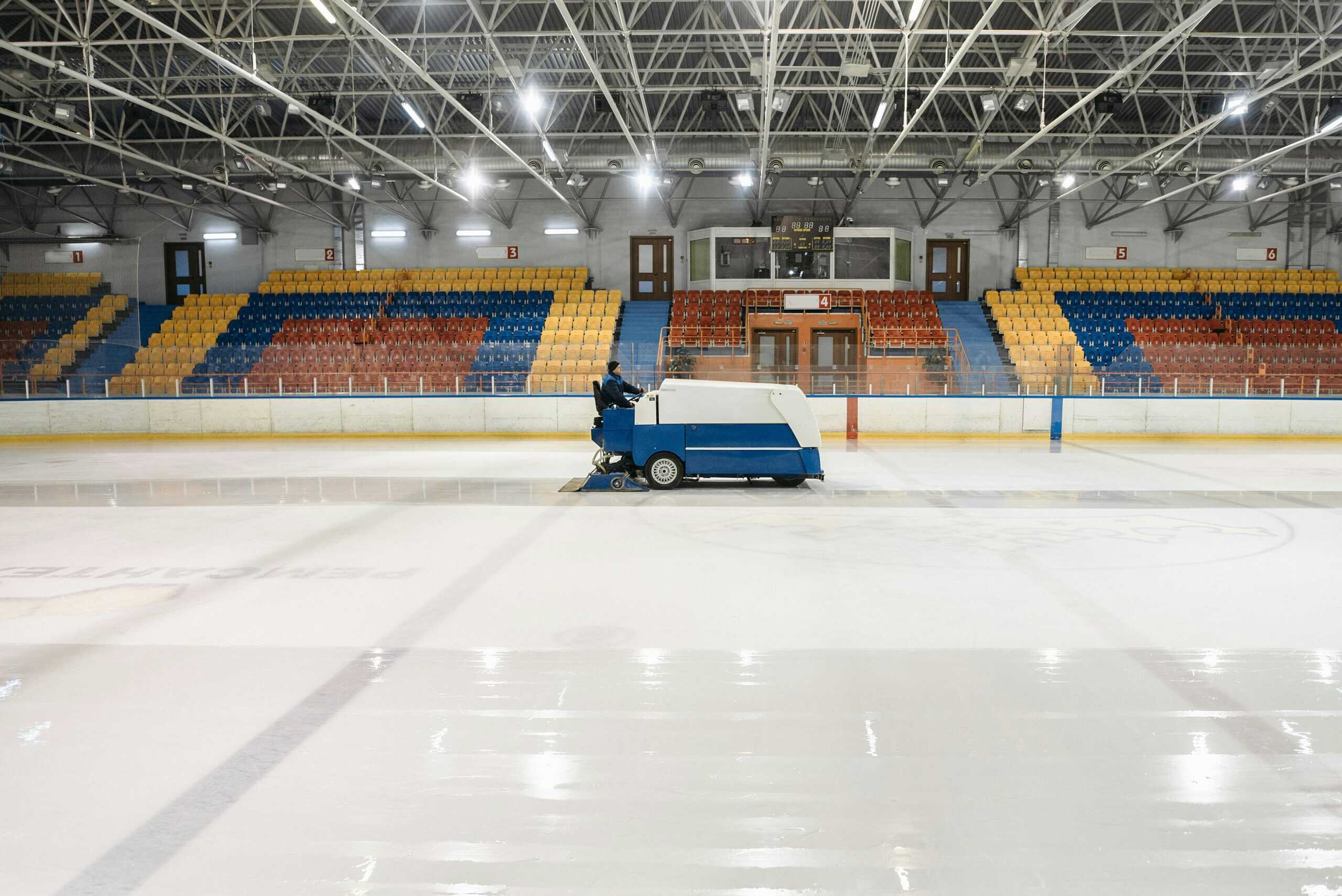
March 9, 2026 7:40 pmFor the rink staff, the operation of the ice resurfacer—whether it’s a Zamboni or an Olympia—is a serious responsibility that involves handling volatile fuel in an enclosed public space.
While electric machines are gaining traction, the vast majority of North American rinks still rely on propane. It is clean-burning, powerful, and efficient. However, because propane usage is such a routine part of the job—swapping tanks happens multiple times a day—complacency can easily set in. A driver might change a cylinder thousands of times without incident, leading to a false sense of security.
Safety in an arena environment is unique. Unlike an outdoor construction site or a well-ventilated warehouse, an arena is a “bowl.” Cold air sinks, and if propane leaks, it sinks with it, pooling in low areas like player benches, penalty boxes, or the resurfacer room itself.
This article outlines a critical “5-Minute Safety Check” that every operator should perform. It is designed to be efficient enough to fit into a busy flooding schedule, yet thorough enough to catch hazards before they become accidents.
Understanding Your Fuel
Before diving into the checklist, operators must respect what they are handling. Liquid Petroleum Gas (LPG) is stored under pressure. Inside that cylinder, the propane is a liquid. When released, it expands rapidly into a gas—at a ratio of 270 to 1. This means even a small liquid leak can create a massive cloud of flammable gas in seconds.
Furthermore, propane is heavier than air (1.5 times heavier). In a rink, this is a critical detail. If a leak occurs, the gas will not float away; it will seek the lowest point on the floor. If the resurfacer room has a pit or drain, gas can accumulate there, creating a potential bomb waiting for an ignition source.
For facility managers sourcing propane in Toronto, understanding the specific properties of this fuel is essential for establishing safety protocols. The “rotten egg” smell added to propane (Ethyl Mercaptan) is your first line of defense, but visual and physical inspections are what prevent the leak in the first place.
The 5-Minute Pre-Shift Protocol
The following five steps should be performed at the start of every shift and every time a cylinder is changed. It takes only five minutes, but it ensures the safety of the staff and the patrons in the building.
Minute 1: Personal Protective Equipment (PPE) and Environment
Safety starts before you even touch the tank. Propane is stored at extremely cold temperatures when it vaporizes. Liquid propane on bare skin causes immediate, severe freeze burns (frostbite).
- Gloves are non-negotiable: Neoprene or heavy leather gloves should be worn to protect hands from the freezing cold of the cylinder walls and potential spurts of liquid during connection.
- Eye Protection: Safety glasses protect against high-pressure gas releases or debris blowing off the tank collar.
- Ventilation Check: Before starting the machine, ensure the resurfacer room ventilation fans are running. Most modern rinks have CO and NO2 sensors that trigger fans automatically, but manual verification is best practice.
Minute 2: Visual Cylinder Inspection
Not all cylinders are created equal. These tanks are circulated, refilled, transported, and banged around.
- Check the Date: Every propane cylinder has a manufacture date or a re-qualification date stamped on the collar. In Canada, cylinders must be re-qualified every 10 years. If you are holding an expired tank, tag it, put it aside, and do not use it.
- Physical Damage: Look for deep rust, gouges, or dents. A dent on a weld seam is particularly dangerous as it compromises the structural integrity of the vessel.
- The Collar: Ensure the collar (the metal guard around the valve) is secure. This collar protects the valve if the tank is accidentally knocked over.
Minute 3: The Valve and O-Ring (The Critical Minute)
This is the most common point of failure in ice resurfacer operations.
- Inspect the O-Ring: Inside the female connector of the cylinder valve, there should be a rubber O-ring. If this is missing, cracked, or dried out, you will have a leak. Never assume the O-ring is there just because it was there last time.
- Debris Check: Ensure the valve opening is free of dirt, ice, or grease. Debris can prevent a tight seal or, worse, get blown into the fuel line of the machine, causing engine trouble.
- The Relief Valve: Locate the pressure relief valve. It must be clean and unpainted. Ensure the dust cap is in place to keep spiders and debris out, which could block the valve from operating during an over-pressure event.
Minute 4: The Swap and Connection
Changing the tank is a physical task that introduces ergonomic risks alongside chemical ones.
- Lifting Technique: A full propane cylinder is heavy. When lifting it onto the machine (often at an awkward height), use your legs, not your back. Many rinks now use hydraulic lifts or easy-load systems; if yours has one, use it.
- Positioning: The cylinder must be mounted so the pressure relief valve is in the “vapour space” of the tank. On horizontal resurfacer tanks, there is a specific pin or bracket to ensure the tank is rotated correctly. If the tank is upside down or rotated wrongly, you risk drawing liquid propane into a vapour system, which can cause a fire or stall the engine.
- Tightening: When screwing on the hose coupler, hand-tighten it firmly. Do not use a wrench. If you need a wrench to stop a leak, the O-ring is likely bad, or the threads are damaged. Over-tightening with a wrench can strip the brass threads or crush the O-ring, causing future leaks.
Minute 5: The Leak Test and Start-Up
The final minute is the verification phase.
- The Listen and Sniff: Open the cylinder valve slowly. Opening it too fast can trigger the excess flow check valve (a safety feature that shuts off gas if it detects a massive surge), leading you to think the tank is empty. Once open, listen for hissing and smell for the distinctive rotten egg odour.
- Soapy Water Test: If you suspect a leak but can’t hear one, use a spray bottle with a soap-and-water solution. Spray it on the connection. Bubbles indicate a leak. Never use a lighter or flame to check for leaks.
- The Frost Line: After running the machine for a few minutes, check the tank. A layer of frost on the outside of the tank indicating the fuel level is normal. However, a spot of frost on a hose or connection indicates a rapid gas expansion—aka a leak.
Maintenance Shop Safety
The safety mindset shouldn’t stop at the ice resurfacer. The maintenance room often houses various volatile materials and tools. Whether you are sourcing industrial gas in Brampton or managing a small community rink, the storage of these materials is governed by strict fire codes.
Proper segregation is key. Full propane cylinders must be stored in a locked, ventilated cage, preferably outdoors, and separated from general facility waste or combustibles. Furthermore, the maintenance shop is often where repairs happen. If your facility maintains its own equipment, you likely have other hazards present, such as welding equipment in Toronto or grinding tools. Ensure that no hot work (welding or grinding) is ever performed near stored propane cylinders or the ice resurfacer while it is being fueled. Sparks and propane vapour are a disastrous combination.
Emergency Procedures: What if it Goes Wrong?
Even with the best 5-minute check, emergencies can happen. Every staff member must know the drill:
- Stop the Flow: If safe to do so, close the cylinder valve immediately.
- Ventilate: Open all exterior doors (the “Zamboni doors”) to flush the heavy gas out of the building.
- Evacuate: If the leak is uncontrollable or if the relief valve is venting loudly (a screaming whistle sound), evacuate the building immediately and pull the fire alarm.
- Do Not Toggle Switches: Do not turn lights on or off. The spark from a light switch can ignite a propane cloud.
Upgrade Your Safety and Supply
The 5-Minute Safety Check is about more than compliance; it is about a culture of care. The rink operator is the guardian of the facility’s air quality and safety. By dedicating just 300 seconds to a proper inspection before every flood, staff can ensure that the only excitement in the arena happens during the game, not in the resurfacer room.
Propane is a safe and reliable fuel when treated with respect. Don’t let routine turn into negligence. Check your PPE, inspect your tank, verify your O-rings, and keep your facility safe.
At Josef Gases, we understand the critical nature of rink operations. We provide reliable, certified propane delivery and industrial gas solutions to keep your facility running smoothly and safely.
Get in touch with us at 416-658-1212.



