

Propane vs. Electric: Which Forklift Fuel Wins for High-Intensity Warehousing?
January 19, 2026 6:07 pmFor warehouse managers running high-intensity operations – think heavy payloads, 24/7 shifts, and rapid throughput – the choice of motive power is a strategic financial decision.
The debate typically narrows down to the two heavyweights of the industry:
- Internal Combustion Liquid Propane Gas, or…
- Electric Battery power.
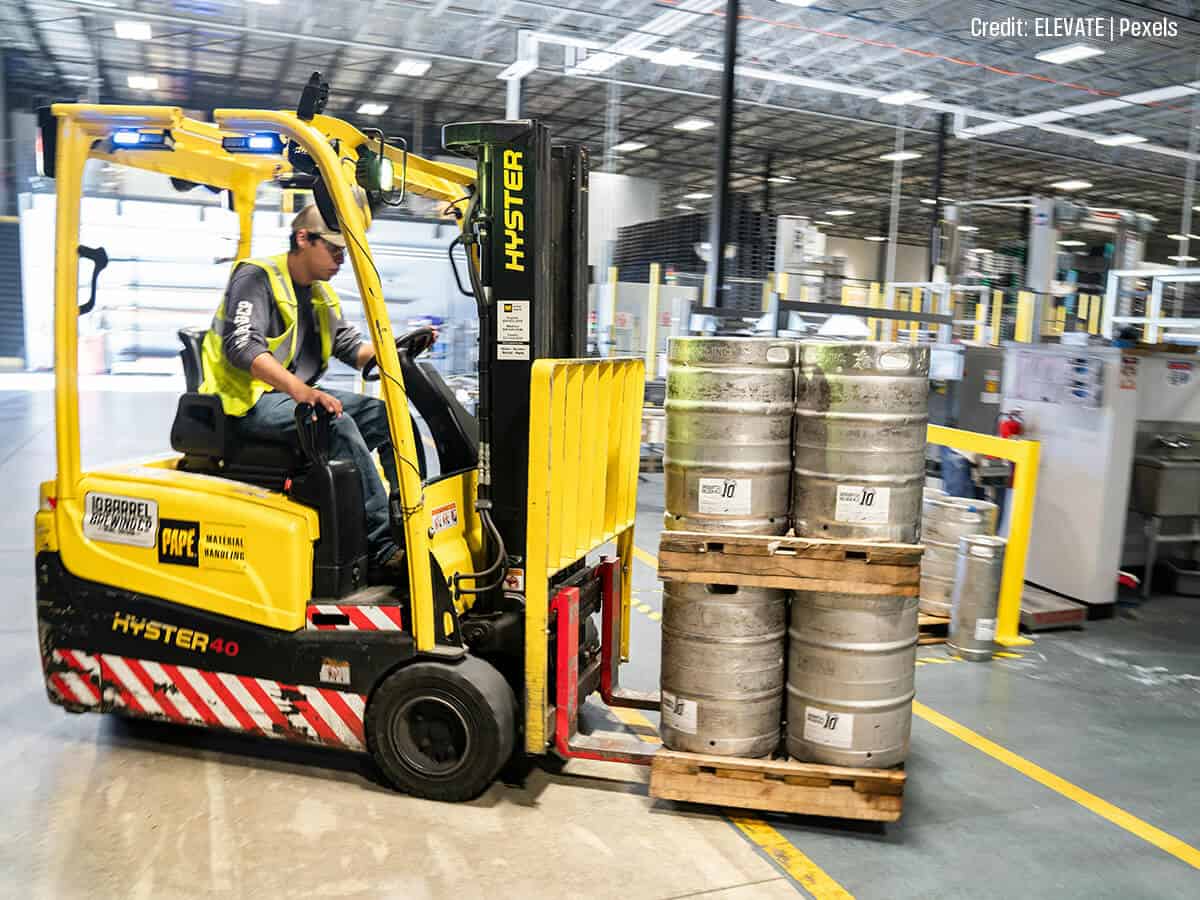
While electric technology has made massive strides in recent decades, propane remains a stalwart in the industrial sector.
Determining which fuel wins requires a deep dive into total cost of ownership (TCO), operational efficiency, and the specific demands of a high-intensity environment.
1. The Power and Consistency Factor
When discussing high-intensity warehousing, “power fade” is a critical concept. This refers to the drop in performance that can occur as an energy source depletes.
The Propane Advantage
Propane forklifts are renowned for their consistent power output. A propane engine delivers 100% torque and horsepower from the moment the tank is opened until the very last drop of fuel is consumed.
For warehouses that involve heavy lifting, steep ramps, or outdoor gradients, propane provides the necessary grunt to keep loads moving at maximum speed.
There is no sluggishness at the end of a shift. This is particularly vital in facilities handling heavy industrial materials or construction supplies, where the weight of the pallet demands peak engine performance constantly.
The Electric Side
Electric forklifts, particularly those using traditional lead-acid batteries, can experience a drop in voltage as the battery discharges.
While modern Lithium-Ion (Li-Ion) batteries have largely mitigated this issue, they come with a significantly higher price tag. In a high-intensity environment where a lift truck is running for eight hours straight, a standard electric forklift might struggle to maintain peak lift speeds in the final hour of a shift, potentially slowing down the entire supply line.
2. Refuelling vs. Recharging: The Downtime Battle
In a single-shift operation, charging is easy; you plug the truck in at 5:00 PM and unplug it at 8:00 AM. However, high-intensity warehousing often operates on two or three shifts. This is where the logistics of energy replenishment become the deciding factor.
The Speed of the Swap
Propane is the clear winner for multi-shift operations regarding downtime. Changing a propane cylinder takes less than five minutes. An operator can drive up to the cage, swap the empty tank for a full one, and be back in the aisle immediately. This allows the machinery to work 24 hours a day with negligible interruptions.
If you are sourcing our propane in Markham or the Greater Toronto Area, establishing a reliable cylinder exchange program ensures that you never run out of fuel, regardless of how unexpected the demand spikes are.
The Charging Bottleneck
Electric forklifts require discipline and infrastructure. Lead-acid batteries generally require eight hours to run, eight hours to charge, and eight hours to cool down.
For a 24/7 operation, this means you need three batteries for every forklift, along with massive space dedicated to a battery room and changing equipment (gantry cranes or extractors).
Opportunity charging (plugging in during breaks) is possible with newer technology, but if a shift gets busy and an operator skips a charge, the truck may die mid-shift, causing significant operational headaches.
3. Total Cost of Ownership (TCO)
The financial comparison between propane and electric is a classic case of “CapEx vs. OpEx” (Capital Expenditure vs. Operational Expenditure).
- Upfront costs: Propane forklifts are significantly cheaper to purchase initially. Electric forklifts come with a premium price tag, and that is before you purchase the battery and the charger, which can double the initial investment.
- Maintenance: Electric forklifts generally have lower maintenance costs because they have fewer moving parts—no engine oil, no transmission fluid, and no spark plugs. Propane trucks require regular IC engine maintenance.
- Fuel costs: Electricity is generally cheaper and more stable in price than fossil fuels. However, the cost of setting up the electrical infrastructure (upgrading panels to handle high-voltage charging) can be astronomical for older warehouses.
For many businesses, the lower barrier to entry makes propane attractive, allowing them to allocate capital elsewhere rather than tying it up in a fleet of batteries.
4. Versatility and Environment
High-intensity warehousing isn’t always strictly indoors. Many operations require forklifts to move from a loading dock to an outdoor yard to load flatbeds.
Indoor/Outdoor Flexibility
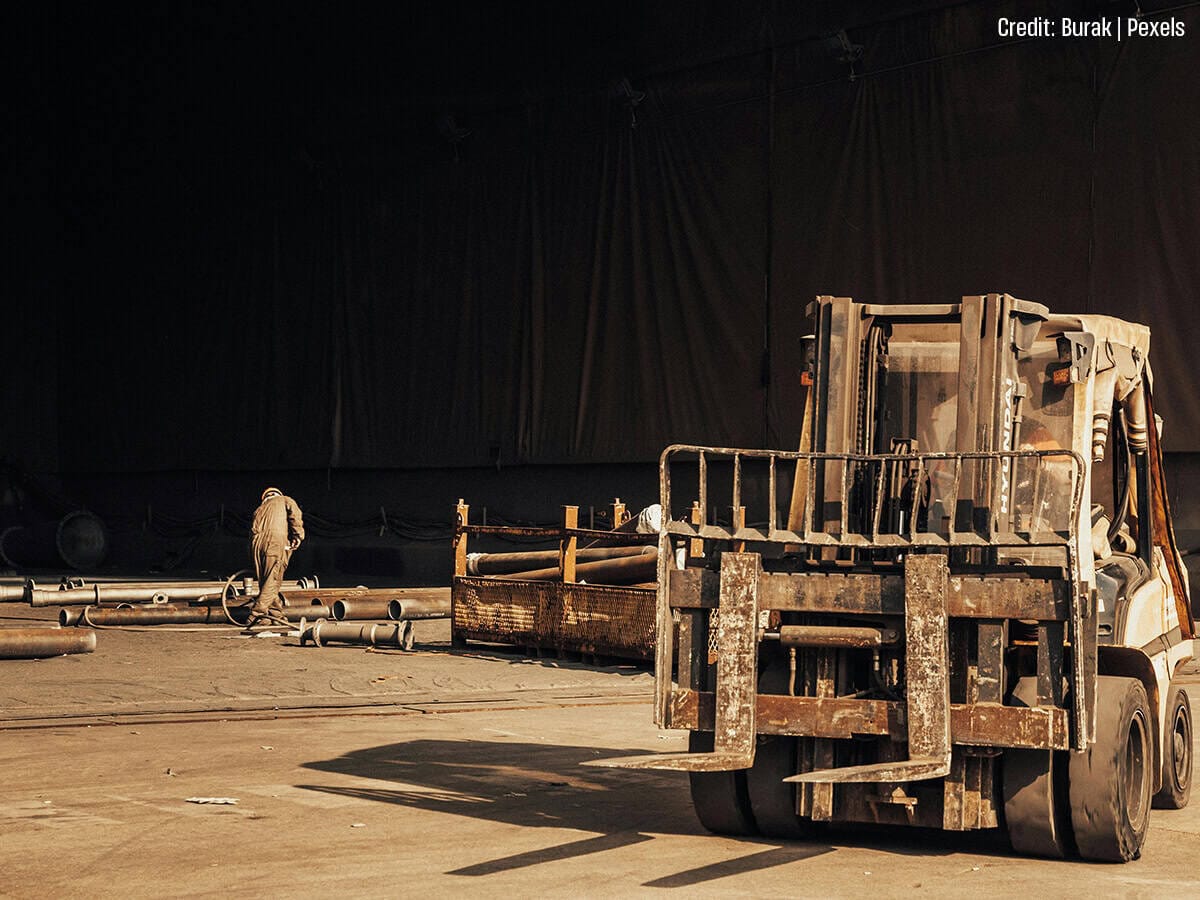
Propane is the king of versatility. These trucks are weather-resistant and perform just as well in the rain or snow as they do indoors. Electric forklifts, while capable of some outdoor use, are generally sensitive to moisture and extreme cold, which can drain battery life rapidly.
The “Clean” Argument
Electric forklifts produce zero tailpipe emissions, making them the standard for small, enclosed spaces. However, modern propane engines are cleaner than ever, producing low emissions that are generally safe for large, well-ventilated warehouses.
It is also worth noting that a warehouse ecosystem is complex. You might need a supplier who can handle diverse needs.
For example, a facility might need forklift fuel for the dock, but the maintenance department might be looking for welding gas in Markham to repair racking or machinery. Consolidating these needs with a single industrial gas supplier often leads to better service and pricing than dealing with disparate vendors for batteries and maintenance gases.
5. Specific Applications: Food and Beverage
The food industry presents unique challenges.
Hygiene is paramount. While electric is often favoured here to avoid any risk of fumes, many high-volume food distribution centers still utilize propane for its speed, provided the ventilation is adequate.
Furthermore, these facilities often require other specialized gases. Modified Atmosphere Packaging (MAP) is common in these sectors.
If your operation is already sourcing food-grade gas for packaging lines or beverage carbonation, leveraging that same supplier relationship for your forklift propane can streamline logistics. It simplifies billing and delivery schedules, ensuring that both your packaging line and your material handling fleet remain operational.
6. Infrastructure Impact
The “hidden” cost of going electric in a high-intensity warehouse is the facility impact.
- Power grid: Does your building have the amperage to charge 20 forklifts simultaneously? Upgrading the electrical service to a building is a massive expense.
- Real estate: In a high-intensity warehouse, every square foot equals revenue. A battery room for a fleet of electric trucks takes up valuable floor space that could otherwise be used for pallet racking.
- Propane storage: Conversely, propane cages are typically stored outdoors, freeing up interior space for inventory.
The Verdict…
So, which fuel wins for high-intensity warehousing?
Choose Electric If:
- Your operation is strictly indoors and requires zero emissions (e.g., small pharmaceutical storage).
- You own the facility and are willing to invest heavily upfront for lower long-term fuel costs.
- You have the square footage to dedicate to battery charging and cooling.
Choose Propane If:
- You operate a high-throughput, multi-shift facility where downtime is not an option.
- You require trucks to move between indoor docks and outdoor yards.
- You want to minimize upfront capital expenditure.
- You need consistent power for heavy payloads on gradients or ramps.
For the truly high-intensity, 24/7 warehouse where speed is the currency, propane often retains the title. The ability to refuel in minutes rather than hours provides a level of operational agility that is difficult to beat.

Keep Your Fleet Moving with Josef Gases
Whether you are powering a fleet of forklifts or managing a fabrication shop, reliable supply is everything. At Josef Gases, we are more than just a supplier – we are a partner in your operational efficiency. From industrial propane to welding and food-grade gases, we ensure you have what you need, when you need it.
Contact us today to set up your delivery schedule at in**@********es.com or 416 658-1212.



