

Preventing Freezes: Using Industrial Gases for Pipeline Purging and Drying
December 15, 2025 7:00 pmThe integrity of pipeline infrastructure is the backbone of the industrial world.
Whether transporting natural gas, crude oil, water, or chemical feedstocks, pipelines must operate under high pressure and often in extreme environmental conditions.
However, one of the most persistent threats to pipeline efficiency and safety is moisture.
Water vapour, when left unchecked within a pipeline system, is a catalyst for catastrophic failure. As temperatures drop—particularly in northern climates—residual moisture can freeze, leading to blockages, burst pipes, and costly downtime.
Aside from the cold, moisture reacts with hydrocarbons under pressure to form gas hydrates, ice-like solids that can obstruct flow even at temperatures above the freezing point of water.
To combat these risks, the industry relies on the precise application of industrial gases. The processes of purging and drying are critical maintenance and commissioning steps that ensure pipelines remain dry, inert, and free of contaminants.
Let’s explore the technical necessity of these procedures, the gases involved, and the logistical support required to execute them effectively.
The Enemy: Moisture and Oxygen
When a pipeline is constructed or opened for maintenance, it is inevitably exposed to the atmosphere. This introduces two primary contaminants:
- Oxygen: In the presence of hydrocarbons, oxygen presents a significant fire and explosion hazard. Furthermore, oxygen promotes oxidation, leading to rapid internal corrosion of the metal pipe.
- Moisture: Water is the enemy of flow assurance. It causes corrosion, but more immediately, it causes freezing.
- Ice plugs: In water or varying liquid lines, simple ice formation can block flow and expand, rupturing the steel.
- Hydrate formation: In gas lines, water molecules can form a cage-like lattice structure around gas molecules (like methane) under high pressure. These hydrates look like dirty ice and can form at temperatures as high as 20°C (68°F), depending on the pressure, causing massive blockages that are dangerous to clear.
To prevent these scenarios, operators must remove the atmosphere (oxygen) and the water. This is achieved through purging and drying.
The Science of Pipeline Purging
Purging is the process of displacing the hazardous or unwanted atmosphere inside a pipeline with an inert gas. The primary goal is to ensure that no combustible mixture can exist within the line and that oxygen levels are brought to near zero.
Why Nitrogen Is the Industry Standard
While various gases can be used, Nitrogen (N₂) is the undisputed champion of pipeline purging. It is non-combustible, non-corrosive, and holds a very low moisture content. Because nitrogen makes up 78% of the air we breathe, it is relatively inexpensive to produce via air separation, yet when used in its pure industrial form, it acts as a perfect “blanket.”
Methods of Purging
There are generally two methods used, depending on the pipeline’s geometry and the velocity of the gas:
- Displacement purging. Ideally used for simple, straight runs of pipe. The inert nitrogen is injected at one end, pushing the air or hazardous gas out the other. To be effective, the flow must be controlled so that the interface between the nitrogen and the air remains distinct (plug flow), minimizing mixing.
- Dilution purging. Used for complex systems with irregular shapes or vessel equipment where displacement is difficult. Nitrogen is injected to mix with the contents, and the mixture is vented. This process is repeated until the concentration of oxygen or contaminants drops to safe levels.
Pipeline Drying: Achieving the Dew Point
Once the oxygen is gone, the moisture must be tackled. A pipeline might be “purged” of explosive gases but still contain enough water vapour to cause freezing or corrosion. This is the time for drying.
The metric for success in drying is the dew point. The dew point is the temperature at which water vapour in the gas will condense into liquid water. To prevent freezing and hydrates, the dew point of the gas inside the pipeline must be significantly lower than the lowest ambient temperature the pipe will experience.
The Drying Process
High-purity dry nitrogen or “Super Dry Air” is pumped through the pipeline. Because this gas is extremely thirsty (having a very low vapour pressure), it absorbs the residual moisture clinging to the pipe walls and in the pore spaces of the steel.
As the gas flows through the pipe, it picks up water and carries it out the vent. Operators continuously monitor the dew point at the outlet. When the outlet air is as dry as the inlet air (often aiming for -40°C or lower), the pipeline is considered dry. This ensures that even in the dead of winter, there is no water available to freeze or form hydrates.
Logistical Support to Power the Purge
Executing a pipeline purge and dry operation is a major logistical event. It requires a fleet of pumper trucks, nitrogen transports, and vaporizers.
However, the success of the operation relies on more than just the inert gas itself. In fact, it relies on the auxiliary equipment that keeps the site running.
Pipeline maintenance sites are often remote or disconnected from the electrical grid. To facilitate the drying process, massive amounts of heat and power are often required. Compressors need to run, and sometimes the nitrogen or the pipe itself needs to be heated to accelerate the evaporation of water.
The Role of Propane on the Job Site
This is where propane becomes a critical unseen hero of pipeline maintenance. While nitrogen goes inside the pipe, propane powers the equipment outside the pipe.
High-capacity temporary heaters and large-scale generators frequently run on propane due to its portability and high energy density.
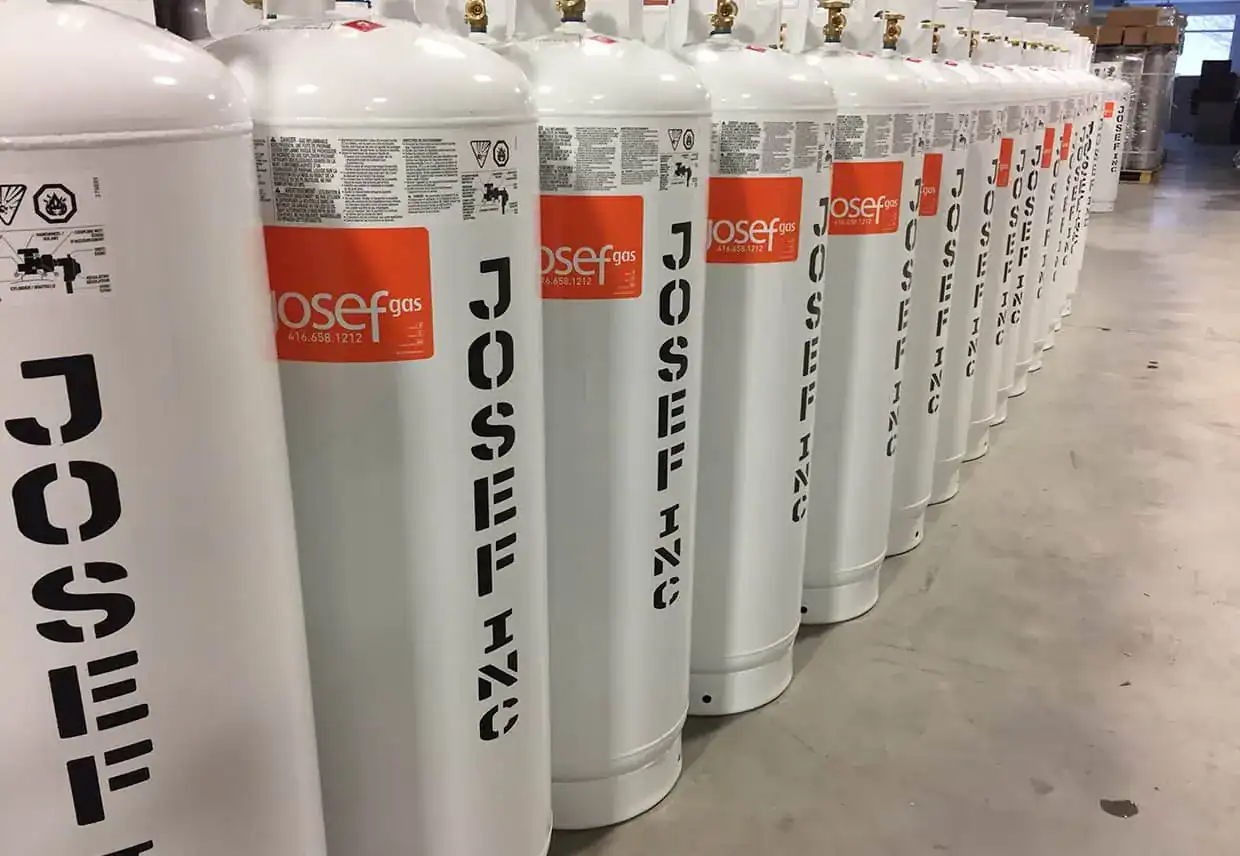
If you are a project manager coordinating a shutdown, partnering with Josef Gases as your reliable propane supplier in the GTA is a critical step in your project planning.
If the heaters fail during a drying operation due to a lack of fuel, the moisture can re-condense, undoing days of work and costing thousands of dollars.
Site managers must arrange for scheduled propane delivery to ensure that auxiliary heat sources maintain a consistent temperature.
The physics of drying is temperature-dependent; warmer pipes dry faster because water evaporates more readily. Therefore, a steady supply of fuel to the heaters is directly correlated to the speed and success of the drying operation.
Material Handling and Logistics
Furthermore, a pipeline maintenance site is a hive of activity. Heavy hoses, large gas cylinders, and machinery parts must be moved constantly. Forklifts are the workhorses of these sites.
Because these operations often happen outdoors or in well-ventilated temporary shelters, propane forklifts are preferred for their power and ability to work in varying weather conditions.
When sourcing fuel for these machines, look no further for “propane for forklift near me” than Josef Gases to provide cylinder exchange services.
Keeping the material handling equipment running is just as vital as the flow of nitrogen. If you cannot move the equipment, the project stalls.
Environmental and Safety Benefits
Utilizing industrial gases for purging and drying is not just an operational requirement; it is a safety and environmental imperative.
Safety: By displacing oxygen with nitrogen, the risk of auto-ignition during commissioning is eliminated. During decommissioning or maintenance, purging ensures that welders and technicians are not working on pipes containing explosive pockets of gas.
Environmental Protection: A freeze-up can lead to a pipe rupture. If that pipe is carrying oil or chemicals, the environmental cleanup costs are astronomical, not to mention the reputational damage. By thoroughly drying the line and preventing ice plugs, operators are proactively protecting the local ecosystem from potential spills caused by mechanical failure.
Final Words
The battle against the elements is constant in the world of industrial pipelines. Freezing temperatures and moisture seek to compromise the integrity of the steel and the flow of the product. However, through the smart application of physics and chemistry—specifically the use of nitrogen for purging and drying—these risks can be mitigated.
Yet, the technical application of nitrogen is only half the battle. The operational success depends on a robust supply chain for all site needs. from the inert gases entering the pipe to the propane powering the heaters and forklifts on the perimeter. Ensuring you have the right partners for all your industrial gas needs is the key to a safe, dry, and efficient winter season.
Need Industrial Gas Support?
At Josef Gases, we understand the critical demands of industrial projects. Whether you need high-purity gases for pipeline operations or reliable fuel for your site equipment, we are here to help.
Contact us today at in**@********es.com or 416 658-1212



