

Industrial Gas for the Hospitality Industry: From Craft Beer to Patio Heating
March 9, 2026 7:43 pmThe hospitality sector thrives on atmosphere and consistency. Whether it is the perfect head on a locally brewed stout or the ambient warmth of a terrace on a brisk autumn evening, the “magic” often happens behind the scenes through the use of high-quality gas. Many business owners in the Greater Toronto Area rely on a steady supply of industrial gas in Mississauga to maintain these standards. From the kitchen to the curb, the right fuel choice dictates how long customers stay and how much they enjoy their experience.
Managing these supplies requires a partner that understands the fast-paced nature of restaurants and breweries. Reliable propane delivery ensures that you never have to tell a guest the patio is closed due to the cold or that a shipment is delayed because the warehouse equipment is down. By integrating smart gas solutions, managers can focus on service rather than worrying about tank levels or equipment compatibility.
The Heart of the Brew: Carbonation and Preservation
In the world of craft beer, gas is more than just a utility; it is an ingredient. The texture, mouthfeel, and aroma of a pint are all influenced by the purity and blend of the gases used during the brewing and pouring process.
- Carbon Dioxide (CO2): This is the standard for most lagers and ambers. It provides the sharp “bite” and sparkling bubbles customers expect.
- Nitrogen (N2): Essential for “nitro” beers, creating a creamy, velvety texture and a cascading head that looks beautiful in a glass.
- Mixed Gas (Beer Gas): A precise blend of nitrogen and CO2 prevents over-carbonation while maintaining enough pressure to push the liquid through long draught lines.
- Oxidation Prevention: Using high-purity gas to purge tanks ensures that oxygen does not spoil the flavour profile of a delicate craft batch.
- Cellar Management: Proper gas regulators and monitors keep the storage area safe for staff while ensuring every keg is tapped at the ideal pressure.
Warming the Guest Experience: Patio Heating Solutions
Outdoor dining has moved from a seasonal luxury to a year-round necessity for many Canadian venues. Keeping those spaces comfortable requires a high-volume fuel source that is easy to manage and swap out during a busy shift.
- Propane Heaters: Standalone “mushroom” heaters or decorative fire pits provide instant warmth and a visual focal point for guests.
- Energy Efficiency: Modern heaters use less fuel to produce more British Thermal Units (BTUs), making your overhead costs more manageable.
- Ease of Use: Portable cylinders allow staff to move heaters wherever the crowd is gathered without tripping over permanent gas lines.
- Reliable Refills: Consistent propane delivery means your heaters stay lit even during the busiest weekend rushes or unexpected cold snaps.
- Storage Safety: Using proper cages and following local fire codes for tank storage protects your property and your patrons.
Behind the Scenes: Logistics and Kitchen Support
While the customers see the beer and the fire, the “back of house” relies on gas for heavy lifting and food preparation. Efficiency here is what keeps the front of the house profitable.
- Forklift Fuel: Many large venues or wholesale distributors require propane for forklift near you to move heavy pallets of kegs, food crates, and furniture.
- Cooking Power: High-output kitchens often use gas for ranges, charbroilers, and ovens because of the instant heat control it offers chefs.
- Emergency Backup: In the event of a power cut, gas-powered systems can sometimes keep essential heating or cooking equipment running.
- Bulk CO2 Systems: For high-volume bars, stationary tanks can be more efficient than constantly changing smaller cylinders, reducing waste and labour.
- Specialty Gas: Some modern molecular gastronomy techniques use liquid nitrogen or other gases to create unique food presentations.
Choosing the Right Gas Partner
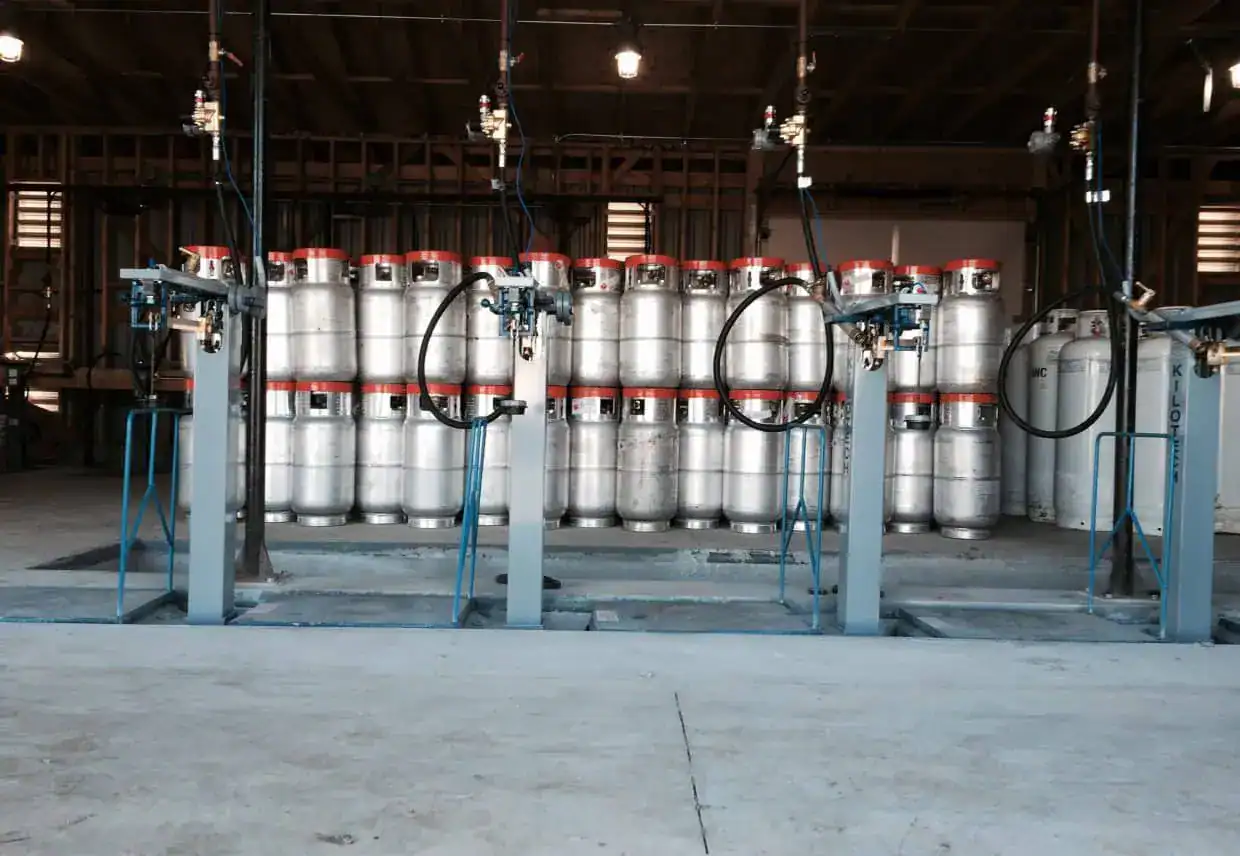
Not all suppliers are the same. A hospitality business needs a partner that offers more than just a full tank; they need expertise, safety training, and a local presence that understands the regional climate.
- Local Proximity: Choosing a supplier for industrial gas in Mississauga reduces transport times and ensures quicker emergency response.
- Safety Training: A good partner will teach your staff how to handle cylinders safely, preventing accidents in crowded kitchen or cellar areas.
- Flexible Scheduling: Hospitality does not happen on a 9-to-5 schedule. You need a delivery service that works around your peak hours.
- Quality Guarantee: Purity matters, especially when the gas comes into contact with food or drink. Always look for food-grade certifications.
- Equipment Maintenance: Regular checks on hoses, valves, and connectors prevent leaks that waste money and create hazards.
Maximizing Efficiency and Reducing Costs
Every penny counts in the restaurant business. Optimizing how you use and buy your gas can lead to significant savings over a fiscal year.
- Inventory Tracking: Keep a close eye on how quickly you go through tanks to predict when you will need your next propane delivery.
- Right-Sizing Tanks: Using a tank that is too small leads to frequent swaps, while one that is too large might be difficult to store safely.
- Leak Detection: Even a tiny hiss in a draught line or a heater connection can drain a tank and inflate your monthly bills.
- Seasonal Planning: Increase your orders before the winter months hit to ensure you have a surplus of heating fuel for the patio.
- Consolidated Billing: Getting all your gases—from beer gas to propane for forklift near you—from one source simplifies your accounting.
The Future of Gas in Hospitality
As the industry evolves, so do the ways we use these resources. Sustainability and tech-driven monitoring are becoming the new standard for modern venues.
- Smart Sensors: New systems can alert your supplier automatically when a tank is low, so you never have to place a manual order.
- Cleaner Burning: Refined propane and gas blends produce fewer emissions, which is better for the environment and for guests sitting near heaters.
- Custom Blending: More breweries are experimenting with unique gas ratios to create signature mouthfeels for their house-made beverages.
- Design Integration: New patio heaters are built to blend into the decor, hiding the tanks while still providing maximum heat.
Safety Standards and Compliance
Operating a public space means following strict rules. Ensuring your gas systems meet Ontario safety standards is not just about avoiding fines; it is about protecting your reputation.
- Regular Inspections: Professional gas fitters should check your permanent lines and connections at least once a year.
- Proper Ventilation: Any indoor use of gas requires adequate airflow to prevent the buildup of dangerous fumes.
- Clear Signage: Label all gas storage areas clearly to ensure staff and emergency services know exactly where the fuel is kept.
- Secure Storage: Tanks should always be stored upright and secured with chains or in locked cabinets to prevent tipping.
- Staff Education: Ensure every team member knows how to shut off the gas supply in an emergency.

Selecting the right fuel and a dependable supplier is a foundational part of running a successful hospitality business. Whether you are focusing on the perfect pour or the perfect patio temperature, these gases play a silent but vital role in guest satisfaction. When you work with a local expert for industrial gas in Mississauga, you gain the peace of mind that comes with knowing your logistics are handled.
By staying ahead of your propane delivery needs and ensuring you have the right propane for forklift near you for your warehouse tasks, you build a more resilient operation. Ready to upgrade your service? For expert propane for forklift near you and all your hospitality gas needs, call Josef Gases today at (416) 658-1212 and let us help you keep your business warm and your drinks cold.



