


How to Match Your Welding Gas Flow Rate to Your Torch and Consumables
July 23, 2026 5:03 pmA flawless weld profile relies heavily on an invisible variable: the stability of the gas shield. Many production shops experience porosity or premature component wear and assume it is a machine issue when it is actually an imbalance between gas volume and torch hardware geometry. Finding a balance requires utilizing premium welding gas in Toronto GTA suppliers while ensuring your hardware is precisely calibrated to handle your daily production demands.
Too little flow causes atmospheric contamination like porosity, which weakens the joint structure. Conversely, excessive flow creates a turbulent vortex that pulls surrounding oxygen directly into the weld pool. To prevent these field issues, operations must learn to calibrate the flow rate, measured in Cubic Feet per Hour (CFH), against torch nozzle sizes, contact tips, and gas diffusers.
Selecting the Right Welding Gas in Toronto GTA Supply Base
Industrial operations across the region face fluctuating shop environments that directly affect production consistency throughout the year. Temperature swings in open fabrication bays or specialized production schedules require a steady and reliable supply network to stay operational. Sourcing your welding gas in Toronto, GTA from a dependable distributor allows you to maintain continuous workflow cycles without delivery delays.
Base gas variables change significantly depending on the metals you process. Pure argon is necessary for precise TIG applications on thin aluminum sheets. Meanwhile, argon and carbon dioxide mixtures are standard for structural steel MIG operations. The density of your chosen welding gas changes how it exits the torch nozzle, meaning your hardware configuration must change alongside it.
The Anatomy of Gas Delivery: Torch Components That Dictate CFH
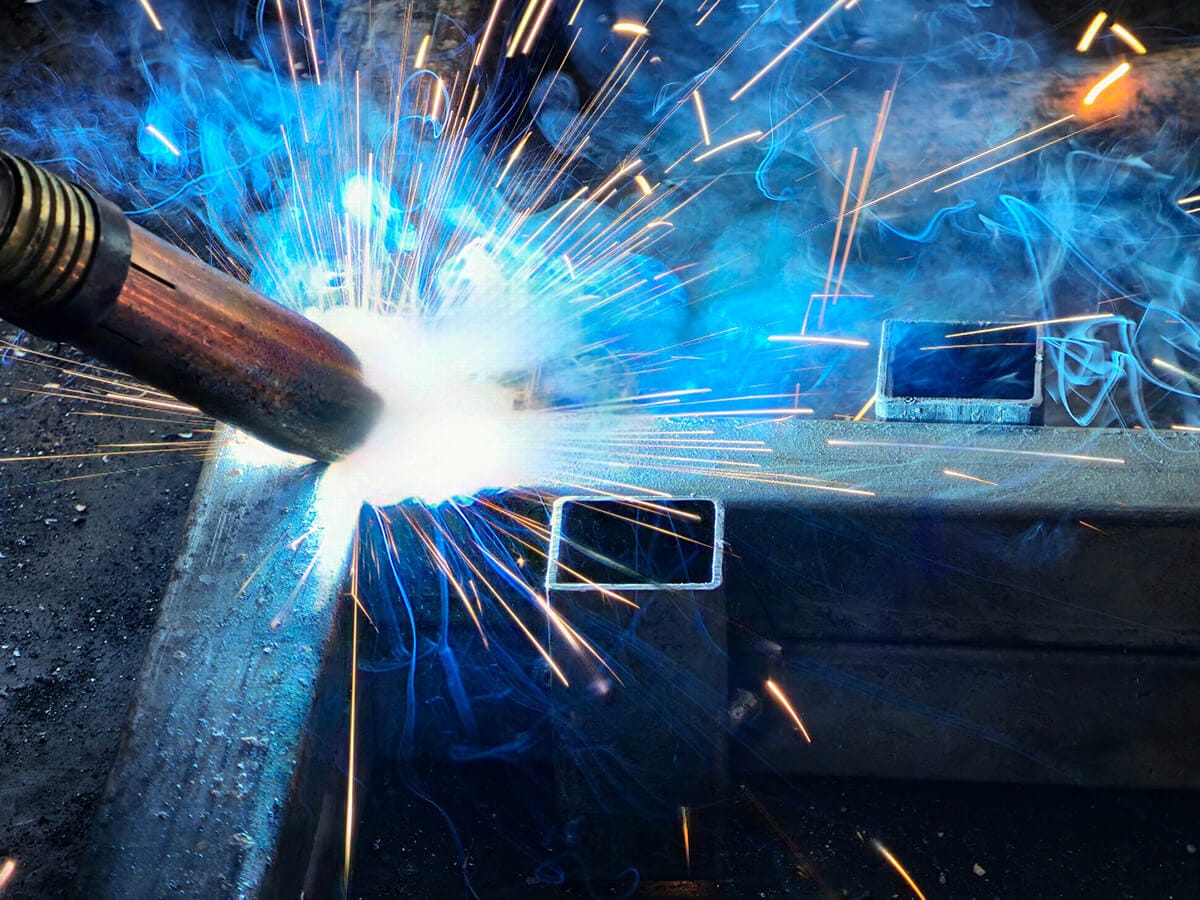
Every physical component at the front end of your torch directly impacts how your cylinder contents protect the hot puddle. The torch handle holds the parts that shape, direct, and stabilize the protective stream before it hits the metal surface. Choosing heavy-duty nozzles and tips ensures that your industrial gases perform exactly as intended without wasteful leaks.
- The Nozzle Orifice: The physical diameter of this component dictates the total volumetric spread of your protective shield over the weld pool. Larger openings demand a higher flowmeter setting to maintain uniform linear pressure and prevent atmospheric air from entering the zone.
- Gas Diffusers: This internal component features small holes designed to distribute the gas stream evenly into the nozzle chamber. A clogged or poorly machined diffuser creates uneven paths, resulting in an asymmetrical shield that leaves portions of the weld unprotected.
- TIG Gas Lenses: This specialized screen assembly replaces a standard diffuser to force the exiting gas into a smooth, perfectly laminar stream. Upgrading to a lens allows operators to reduce total flow consumption while significantly extending their tungsten stick-out for tight joints.
- Contact Tips: While primarily responsible for transferring welding current to the wire, the tip sits directly in the path of the gas stream. If a tip is caked with spatter or improperly seated, it alters the thermal properties and structural flow pattern inside the nozzle.
- Torch Liners and O-Rings: These structural seals guide the wire and prevent external oxygen from bleeding into the internal gas chamber before it reaches the head. A torn liner ring or worn rubber seal introduces hidden atmospheric leaks that compromise the purity of your gas supply.
Step-by-Step Calibration: Matching CFH to Your Setup
Calibrating your system requires adjusting your pressure regulators while analyzing the specific joint design in front of you. Different manufacturing tasks demand different volumetric settings to keep ambient air away from the molten puddle. Balancing your flowmeter according to clear physical variables keeps your operation efficient.
- Establish a Baseline Formula: A practical baseline formula for standard MIG and TIG setups involves matching your nozzle size directly to specific CFH brackets, typically between 15 and 25 CFH for standard industrial work.
- Analyze Joint Geometry: Tight angles like fillet welds naturally trap gas, which allows operators to use lower flow settings without risking weld contamination. Flat or outside corner joints expose the puddle to ambient air drafts, requiring increased flow or trail shielding.
- Run an Equipment Check: You should calibrate at the cylinder regulator but also measure the actual flow at the torch nozzle using a portable flow cone. This step accounts for hidden pressure drops that often happen across long, twisted torch leads.
- Evaluate Power Sources: Heavy-duty machines from major brands require stable incoming gas lines to maintain consistency during long production runs. High-amperage settings demand precise volume adjustments to prevent the arc from overheating the surrounding nozzle.
Troubleshooting Signs of Bad Flow Alignment
When your settings do not match your physical hardware, your finished work will show clear signs of structural failure. Recognizing these visual indicators early allows shop supervisors to correct settings before wasting an entire batch of material. Proper diagnostics involve inspecting both your consumables and your weld beads to pinpoint exactly where the gas shield is failing.
- Fine Surface Porosity: This issue appears as a cluster of small pinholes on the weld surface, signaling that your welding gas flow is too low to displace ambient air. To fix this, increase your flowmeter setting by 2 to 5 CFH and check all hose connections for hidden leaks.
- Heavy Black Soot on Stainless Steel: Dark, heavy discoloration means the shielding layer is dispersing before the weld pool has cooled sufficiently. Extend your post-flow timer setting on your machine and maintain your torch angle close to 90 degrees to keep the area fully protected.
- Rapid Tungsten Oxidation: If your TIG tungsten turns black or blue immediately after breaking the arc, it means atmospheric oxygen is contaminating the hot electrode. Check your torch back cap O-ring for cracks and ensure your gas post-flow runs for at least one second for every 10 amps of welding current.
- Turbulent Mid-Bead Pinholes: This paradox happens when a high flow rate creates a swirling vortex that actively sucks surrounding air directly into the arc zone. Lower your regulator settings back down to the recommended baseline and use a smaller nozzle size to clean up the gas velocity.
- Accelerated Contact Tip Wear: Inadequate gas flow fails to cool the front-end consumables, leading to extreme thermal buildup that deforms your contact tips. Inspect your gas diffuser holes for spatter clogs and clear them out with a nozzle reamer to restore uniform cooling flow. If you notice these hardware failures frequently, you might need to check your welding equipment in Toronto partners to ensure your torch components are up to standard.
Reliable Welding Gas Solutions and Equipment
Optimizing your flow rate is only effective if your delivery infrastructure and torch parts perform reliably together. Minor leaks in gas hoses or faulty seals in torch bodies degrade weld quality instantly, regardless of how pure your supply is. Incorporating durable hardware ensures that your core industrial supply flows smoothly from the cylinder to the joint.
To maintain efficiency, industrial shops use a complete system approach. Sourcing high-integrity regulators, premium torches, and clean gas mixtures from a singular distributor eliminates compatibility issues. If your business utilizes multi-fuel operations, it is also wise to coordinate your commercial propane in Toronto deliveries with the same supplier to simplify your bulk yard logistics and lower administrative overhead.
Josef Gas for Reliable Welding Gas Systems and Supplies
Managing a productive fabrication shop requires consistent fuel logistics, high-purity industrial gases, and durable torch consumables that work together seamlessly. Sourcing your supplies from a single, dedicated regional facility allows your team to eliminate compatibility issues, optimize gas consumption ratios, and keep your production lines running efficiently. Our team is ready to evaluate your technical specifications and build a delivery system tailored directly to your volume demands.
We streamline your entire yard inventory by providing seamless bulk solutions, high-integrity regulators, and premium accessories in one place. Bringing your infrastructure up to standard prevents costly production delays and ensures a safer workspace for your team. Call Josef Gas today at 416-658-1212 to discuss your bulk delivery schedules or order your next batch of welding gas supplies.



