

A Local’s Guide to Choosing the Right Industrial Gas in Scarborough for Every Welding Project
March 9, 2026 8:05 pmSelecting the right fuel or shielding mixture is the backbone of any successful metalwork project. In a bustling manufacturing hub like Scarborough, the sheer variety of options can feel overwhelming for both hobbyists and seasoned shop managers. Whether you are fusing thin aluminium sheets or structural steel beams, the gas you choose dictates the strength, appearance, and cost-efficiency of every bead you lay.
Matching your gas to your specific welding equipment is not just about making a spark; it is about mastering the science of the arc. High-quality industrial gas in Scarborough ensures that your welds stay free of porosity and slag. This guide breaks down exactly which gases fit your specific tasks, from MIG and TIG setups to heavy-duty cutting, ensuring your workshop stays productive and safe.
The Essentials of Shielding Gases
Shielding gases serve one primary purpose: keeping the atmosphere away from the molten puddle. Oxygen and nitrogen are the enemies of a clean weld, leading to brittleness and holes.
- Pure Argon: This is the go-to for TIG welding. If you are working with aluminium or stainless steel, argon provides a stable arc and excellent cleaning action. It is a staple for any shop looking for high-quality results on non-ferrous metals.
- Carbon Dioxide (CO2): Known for being the most budget-friendly option, pure CO2 provides deep penetration. It is perfect for thick steel, though it does produce more splatter. If aesthetics aren’t the priority but strength is, this is a solid choice.
- Argon/CO2 Blends (75/25): Often called “C25,” this is the most common mixture for MIG welding carbon steel. It offers a great balance, giving you the deep penetration of CO2 with the smooth arc and reduced splatter of Argon.
- Tri-Mix Gases: When welding stainless steel with a MIG setup, a mix of Helium, Argon, and CO2 is often required. This prevents the “sugar” or oxidation that can ruin the corrosion resistance of the metal.
If you are unsure which mixture suits your current machine, the team at Josef Gases can help. Give us a call at (416) 658-1212 to discuss which industrial gas in Scarborough fits your specific welding supplies and equipment.
Fuel Gases for Cutting and Heating
Welding is only half the battle; often, you need to prep the metal or cut it down to size. Choosing a fuel gas depends on how fast you need to work and the thickness of the material.
- Acetylene: This remains the hottest burning fuel gas available. It is the gold standard for oxy-fuel welding and is incredibly efficient for brazing and localized heating. Because it burns so hot, it allows for very fast “pierce times” when cutting steel.
- Propane: While it does not burn as hot as acetylene, propane is often safer to store and more cost-effective for long-term cutting projects. It is excellent for heating large plates or using a rosebud torch for bending metal.
- Propane Delivery Services: For high-volume shops, having a reliable propane delivery schedule is vital. It ensures you never run out mid-job, especially when running heavy heating cycles or large-scale CNC cutting tables.
Powering the Workshop: Propane for Forklifts
A productive welding shop is about more than just what happens at the bench. You have to move heavy steel plates, finished assemblies, and gas cylinders safely across the floor.
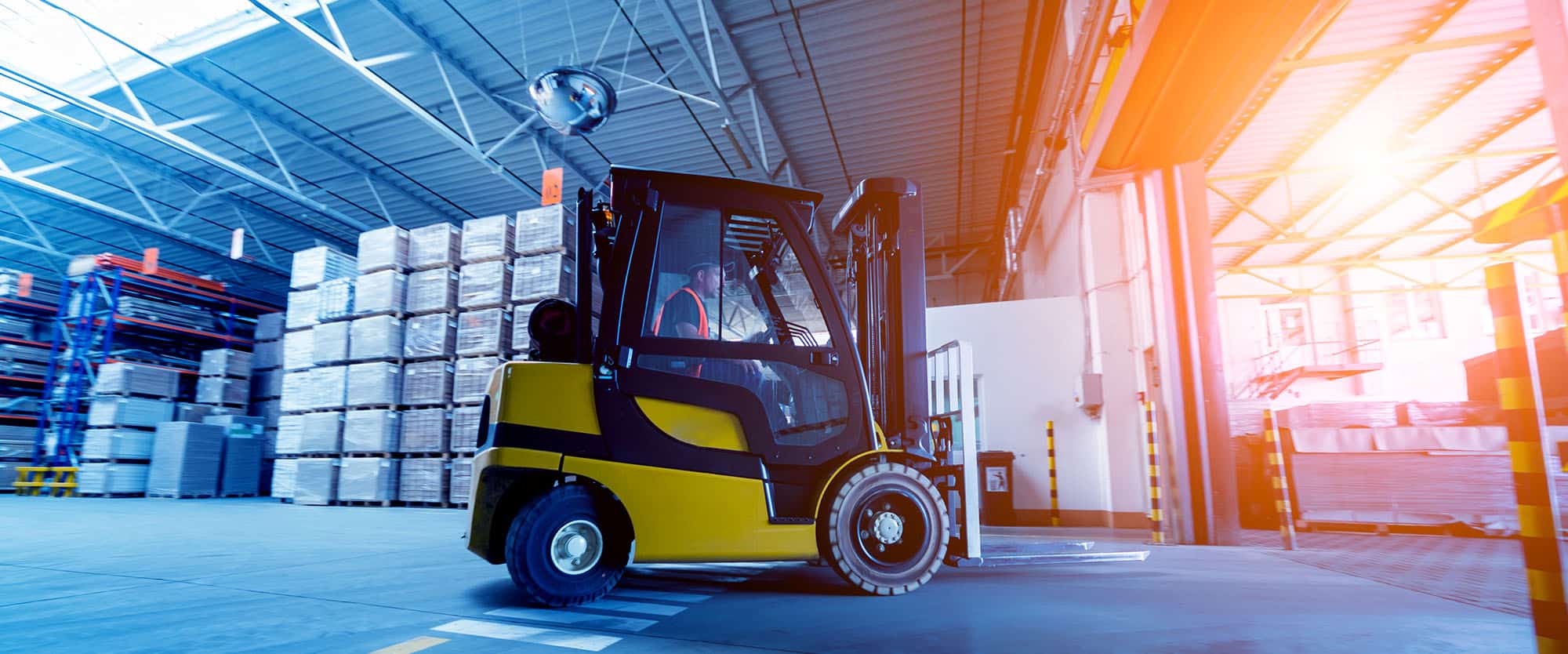
- Material Handling: Most industrial shops in the area rely on internal combustion forklifts. These machines need a steady, clean-burning fuel source to operate indoors without the heavy fumes associated with diesel.
- Convenience: Searching for propane for forklift near you usually leads to the realization that on-site storage is the most efficient path. Having a rack of full cylinders ready to go means zero downtime for your operators.
- Consistency: Propane engines provide consistent power levels regardless of the temperature in the shop. This is a massive advantage during Canadian winters when battery-operated lifts might struggle with the cold.
To keep your floor operations running without a hitch, contact Josef Gases at (416) 658-1212. We provide reliable propane delivery and can set up a schedule that ensures you always have propane for forklift near you when the workload spikes.
Essential Welding Supplies and Equipment
Even the best gas won’t save a weld if the hardware is subpar. Your gas regulator, torches, and consumables must be compatible with the pressures and flow rates required for the job.
- Regulators and Flowmeters: Precision is key. A cheap regulator might “creep,” allowing too much gas out and wasting your money, or not enough, leading to contaminated welds. Always match your regulator to the specific gas type—never try to adapt an oxygen regulator for use with flammable gases.
- MIG Guns and TIG Torches: The lead and the liner of your MIG gun need to be clear. If you are using the right industrial gas in Scarborough but still seeing bubbles in your weld, it might be a leak in the internal gas hose or a clogged nozzle.
- Consumables: Nozzles, contact tips, and diffusers are often overlooked. A worn-out contact tip can cause arc instability. Keeping a fresh stock of these items ensures that the gas coverage remains even and the electrical contact stays sharp.
- Safety Gear: High-quality helmets with the correct shade levels are non-negotiable. When using different gas mixes, the brightness and colour of the arc can change. Auto-darkening lenses help you see the puddle clearly, regardless of the gas you choose.
Choosing Gas Based on the Metal Type
Every metal reacts differently to heat and atmospheric gases. Using the wrong one can lead to “hot cracking” or a weld that simply snaps under pressure.
- Mild Steel: This is the most forgiving. You can use almost any CO2 blend. However, for thin automotive work, a higher Argon content helps prevent blow-through.
- Aluminium: This metal is prone to oxidation the moment it gets hot. You must use 100% Argon or an Argon/Helium mix. Helium is often added for thicker plates because it carries more heat into the base metal, helping the weld “wet out” better.
- Stainless Steel: To keep the “stainless” properties, you must avoid high CO2 levels, as the carbon can migrate into the weld and cause it to rust later. Stick to specialized tri-mixes or high-argon blends.
Local Expertise Matters
Working with a local supplier provides advantages that big-box retailers cannot match. When you deal with experts who understand the local manufacturing climate, you get advice tailored to your specific shop conditions.
- Technical Support: If you are experiencing “porosity” (tiny holes) in your welds, a local expert can help determine if it is a gas flow issue, a moisture problem in your lines, or a bad batch of wire.
- Cylinder Management: Buying or leasing cylinders is a big decision. Local suppliers offer flexible options that grow with your business. You won’t have to worry about long wait times for a refill when you are in the middle of a rush order.
- Equipment Repairs: Beyond just selling gas, a full-service provider understands the mechanics of your machines. They can recommend the best welding supplies and equipment to pair with your gas cylinders for maximum efficiency.
Safety and Storage Protocols
Handling pressurized cylinders requires respect and a strict set of rules to keep your team safe.
- Secure Storage: Cylinders should always be stored upright and chained to a wall or a sturdy cart. A fallen cylinder can become a dangerous projectile if the valve snaps off.
- Ventilation: Even inert gases like Argon can be dangerous in small, unventilated spaces. They displace oxygen, which can lead to suffocation without any warning. Always ensure your welding booth has proper extraction.
- Leak Testing: Use a dedicated leak-detection solution (or simple soapy water) on your connections every time you change a tank. Small leaks might not seem like much, but they add up to significant costs over a month.
- Labeling: Never rely on the colour of a tank to tell you what is inside. Always read the label. Different companies use different paint schemes, but the written label is the legal standard for identification.

Getting your welding projects right involves a careful balance of the right technique, reliable hardware, and the perfect gas mixture. By understanding how different gases interact with your metals, you can produce stronger, cleaner, and more professional results. Whether you are running a large-scale production line or a small custom shop, your choice of fuel and shielding gas is the most important tool in your kit.
Don’t let an empty tank or the wrong gas mixture stall your progress. Having a partner who understands the nuances of the trade makes all the difference. For expert advice on industrial gas in Scarborough, high-grade welding supplies and equipment, or a reliable propane delivery service, reach out to the pros. Contact Josef Gases today at (416) 658-1212 to keep your workshop moving forward. They are the top choice when you need propane for forklift near you or specialized mixtures for your most challenging projects.



