


A Fleet Manager’s Guide to Bulk Propane Delivery in Toronto
June 22, 2026 6:40 pmManaging a commercial transport or delivery fleet in the Greater Toronto Area demands tight control over volatile operating expenses. Fuel procurement represents one of the largest ongoing outlays for any logistics provider, directly influencing your company’s competitive edge and quarterly margins. As regional emissions standards tighten and conventional petroleum prices fluctuate, local operations increasingly turn to bulk propane in Toronto delivery as a predictable alternative. Making this operational shift involves more than just swapping out fuel types; it requires a practical understanding of storage infrastructure, local delivery logistics, and safety protocols.
Transitioning to bulk fuel sourcing represents a strategic upgrade in how your business handles its daily energy consumption, whether you run local delivery vehicles or vans requiring specialized food grade gas in Toronto for climate-controlled transport. Instead of losing valuable time to retail refuelling stations or dealing with individual cylinder drop-offs, a centralised bulk system streamlines your entire yard workflow. Industry tracking from Canadian energy and transportation authorities indicates that transitioning to on-site bulk storage can slash direct fuel costs by up to thirty per cent compared to retail alternatives. By taking charge of your supply chain and understanding the core requirements of bulk infrastructure, you can insulate your business from market volatility while keeping your drivers on the road.
1. Evaluating the Space and Infrastructure for On-Site Bulk Storage
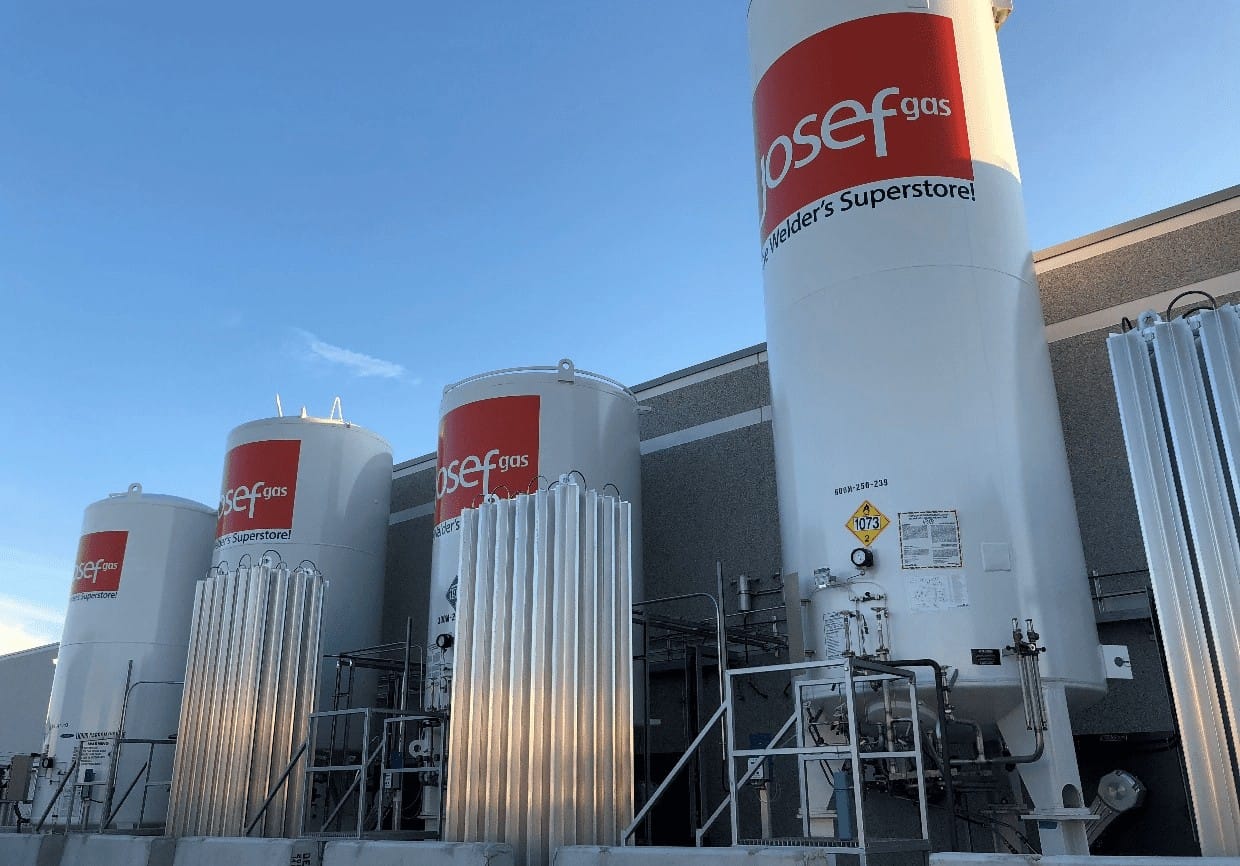
Setting up a permanent fuel depot on your property requires careful spatial planning and a clear understanding of the mechanical footprint involved.
- Tank Placement Clearance: Your bulk storage setup must be positioned on a stable concrete pad situated at safe distances from main property borders, electrical lines, and active building openings.
- Security Fencing Constraints: Heavy-duty steel perimeter fencing and lockable access gates are required to secure the filling area from unauthorised entry and protect the infrastructure from accidental vehicle contact.
- Bulk Filling Clearance: The delivery zone must feature a wide turn radius and clear overhead clearance to let large commercial transport tankers enter, position, and exit your yard without disrupting daily traffic.
- Vapour Eliminator Systems: Modern bulk storage tanks feature advanced vapour management valves that prevent product loss during high-volume transfers from the delivery vehicle to your permanent inventory.
2. Navigating Local Regulations and Compliance Standards
Operating a private commercial refuelling station means your business must adhere strictly to municipal, provincial, and national safety codes.
- TSSA Compliance Codes: In Ontario, the Technical Standards and Safety Authority (TSSA) mandates strict registration, inspection, and maintenance schedules for all commercial hydrocarbon storage systems.
- National Fire Code Standards: The installation must fully comply with the CAN/CSA B149.2 Propane Storage and Handling Code, which dictates everything from piping materials to fire extinguisher placement.
- Annual System Testing: Fleet managers must arrange for certified technicians to conduct pressure tests and relief valve inspections every year to keep the facility legally compliant.
- Environmental Protection Audits: Keeping comprehensive logs of your bulk fuel transfers ensures you can verify structural integrity and prove zero soil or air contamination during regulatory workplace inspections.
Want to ensure your site layout meets every provincial safety guideline? Contact Josef Gases at (416) 658-1212 to discuss your property layout and delivery requirements. Whether you are seeking a complete industrial propane tank setup or a dependable supply of industrial gas near me, our experienced team will assist you through the setup process.
3. Streamlining Fleet Logistics and Minimising Downtime
The ultimate goal of upgrading your fuel delivery infrastructure is to maximize the time your commercial vehicles spend on their routes.
- Eliminating Off-Route Travel: On-site bulk refuelling cuts out the wasted hours spent when drivers deviate from their routes to locate commercial retail filling stations in congested urban zones.
- Rapid Dispensing Speeds: High-volume commercial dispensing pumps transfer fuel far quicker than standard portable retail units, allowing an entire shift of vehicles to top up in minutes.
- Winter Weather Reliability: Liquid propane systems do not suffer from the gelation or freezing challenges that plague diesel fleets during severe Ontario cold snaps, ensuring total fleet readiness at sub-zero temperatures.
- Simplified Inventory Tracking: Modern bulk setups incorporate digital flow meters that trace every litre dispensed, allowing managers to assign precise fuel costs to individual vehicle profiles.
4. Financial Planning and Fuel Price Stability
Shifting away from retail pay-at-the-pump systems allows your financial team to project logistics overhead with significantly higher accuracy.
- Volume-Based Wholesale Pricing: Sourcing your energy in bulk quantities drops the per-litre cost substantially below retail pricing, creating instant savings on high-volume runs.
- Fixed-Price Fuel Contracts: Many regional distributors offer seasonal price-locking agreements, protecting your operating budget from unexpected global energy market spikes.
- Zero Cardlock Access Fees: Operating your own private yard depot removes the ongoing transaction fees and monthly account maintenance costs charged by commercial cardlock networks.
- Reduced Transaction Administration: Processing a single consolidated invoice for a bulk delivery replaces the tedious administrative task of auditing hundreds of individual driver fuel receipts every month.
From high-volume fleet accounts to specialized food grade gas in Toronto options for climate-controlled transport vehicles, Josef Gases deliver high-purity propane in Toronto straight to your facility.
5. Worker Safety Protocols and Operational Training
Transitioning to high-pressure bulk transfer systems demands that your drivers and yard attendants master specific safety techniques.
- Mandatory PPE Use: Employees must wear insulated, chemical-resistant gloves and wrap-around eye protection during every connection cycle to prevent cryogenic skin burns from liquid fuel.
- Static Grounding Procedures: Operators must attach a dedicated grounding bond wire to the vehicle chassis before initiating any fuel transfer to eliminate the risk of static spark ignition.
- Emergency Shutoff Familiarity: Every team member must know the exact locations of the primary and secondary emergency remote shutoff switches across the yard floor.
- Scent Identification Training: Workers must undergo regular drills to spot the distinctive odour of the ethyl mercaptan additive, ensuring rapid response to micro-leaks before they pose a hazard.
Implementing a Bulk Fuel Strategy in Your Yard
If you determine that bulk delivery aligns with your financial and operational targets, implementing a staged setup strategy will eliminate unwanted service interruptions.
Step 1: Audit Your Weekly Consumption
Review your fuel receipts from the past year to determine your peak weekly consumption rates. This data gives you the exact metric needed to select the correct size for your on-site storage tank, ensuring you never face shortages during high-volume delivery seasons.
Step 2: Obtain Municipal Permits
Submit your detailed site plans to your local Toronto municipal building department and fire services branch before purchasing any hardware. Securing these approvals early prevents costly project delays or layout changes midway through construction.
Step 3: Train Your Yard Team
Coordinate formal training sessions with a certified provincial safety instructor for every employee who will interact with the refuelling equipment. Document these sessions thoroughly to maintain compliance with Ontario occupational health and safety laws.
Step 4: Schedule Automated Deliveries
Work with your distribution partner to establish a delivery schedule based on your typical consumption habits. A premium partner will offer telemetry-monitored tanks that alert the delivery dispatcher automatically when your inventory drops below a specific threshold.

Transitioning your commercial fleet to a bulk propane Toronto delivery system is an effective strategy for controlling logistics expenses and modernising your yard workflow. The operational advantages of on-site refuelling—including wholesale cost reductions, consistent fuel quality, and faster vehicle turnaround times—provide an immediate boost to fleet efficiency. By building a secure, code-compliant infrastructure and training your staff in proper handling procedures, you can run a cleaner, more profitable transport operation.
Maintaining a resilient transport business requires working with local suppliers who prioritize dependable service and strict safety standards. Keeping a close eye on your fuel infrastructure and tracking your consumption patterns ensures your business remains competitive, efficient, and fully prepared for long-term regional growth.
Ready to transform your logistics operations with a tailored bulk fuel storage strategy? Call the commercial energy experts at Josef Gases at (416) 658-1212 today. We offer a dependable supply of industrial gas near me, certified food grade gas in Toronto for refrigerated transport, and comprehensive industrial propane tank solutions designed to keep your entire fleet moving forward efficiently.



