

Mobile Welding in the Snow: Keeping Your Gas Flow Consistent Across the Greater Toronto Area
December 1, 2025 6:53 pmWhen winter hits the Greater Toronto Area, the cold doesn’t stop construction or essential repair work. Mobile welders are the backbone of the region’s infrastructure, moving from site to site—be it a high-rise downtown, a factory in Mississauga, or a farm equipment repair job far north in King City. They show up, often in challenging weather, ready to fuse metal back together. But with the mercury dipping well below freezing, a core element of their trade comes under threat: the consistent flow of shielding gas. Welding is a precise trade; fluctuating gas pressure can lead to porous, weak welds that fail inspection and compromise structural integrity. For those who rely on gas-shielded processes like MIG and TIG, the battle against the cold is real, and it’s a constant one. Every mobile welder needs a foolproof strategy to manage the effects of sub-zero temperatures on their gas supply and welding equipment in Toronto and beyond.
The successful mobile operation during a Canadian winter hinges on preparation, the quality of your consumables, and having a dependable partner for your supply. From making sure your regulators are ice-free to selecting the right mixture for the conditions, every detail counts. It’s about beating the cold with smart choices and solid technique, guaranteeing that even on the toughest day, your gas supply remains your most reliable tool.
Best Practices for Maintaining Gas Flow in Cold Weather
Cold temperatures affect welding gases in a few critical ways. As the temperature drops, the pressure inside a cylinder decreases, and moisture—which is always present—can freeze inside regulators and hoses, blocking the gas pathway. For CO2 or CO2-rich mixtures, the gas itself can turn into a solid (dry ice) inside the regulator, a critical issue that must be avoided. The following practices are essential for any mobile welder operating with welding gas in Toronto, GTA.
Cylinder Management and Storage
- Keep Cylinders Indoors Overnight: Whenever possible, store cylinders in a heated garage or workshop. Bringing them out into the cold right before use is better than letting them sit outside all night. This practice helps maintain internal pressure and prevents the cylinder from being ‘cold-soaked.’
Crucially, while indoor storage is perfectly fine for welding gases, propane bottles must always stay outside. Because propane is heavier than air, any leak in an enclosed space can lead to a dangerous buildup of gas at floor level.
- Insulate the Cylinder: When on-site, using a cylinder blanket or an insulated jacket can help keep the cylinder’s temperature above freezing. This is especially important for CO2 cylinders, where the gas can change state.
- Elevate the Cylinders: Do not leave cylinders directly on frozen ground or snow. Cold conduction from the ground will rapidly drop the cylinder temperature. Use a wooden pallet, rubber mat, or even a piece of scrap material to create a thermal break.
- Monitor Cylinder Pressure: Keep a closer eye on your gauges than you would in the summer. A drop in ambient temperature translates directly to a drop in cylinder pressure, which can affect the final weld quality.
Regulator and Hose Care
- Use Regulator Heaters: This is non-negotiable for anyone using pure CO2 or high-CO2 mix gases. Regulator heaters prevent the formation of dry ice at the regulator’s outlet. They draw power from the welder or a separate source and keep the metal components warm enough for the gas to remain in its gaseous state.
- Inspect for Moisture: Before connecting hoses, quickly blow compressed air through them or visually inspect the fittings. Even a small amount of trapped water vapour can freeze solid when the gas expands rapidly through the regulator, causing a complete flow blockage.
- Avoid Kinks: Stiff, cold hoses are prone to kinking, which restricts flow. Take extra care unrolling and positioning hoses in the cold to ensure a smooth, unrestricted pathway.
Gas Selection Strategies
- Choose Argon/Helium Mixes: If your application allows, mixes that rely on Argon or Helium are less prone to the internal freezing issues that plague CO2. While sometimes more expensive, the consistency and reliability they offer in extreme cold often outweigh the cost for critical jobs.
- Understand Duty Cycle: When welding with CO2, a high duty cycle (welding continuously for long periods) causes the gas to flow and expand rapidly, which dramatically drops the cylinder and regulator temperature. If dry ice formation is a problem, slow down your welding pace or switch to a higher-volume cylinder to manage the expansion rate better.
Equipment and Site Preparation
- Keep the Workpiece Warm: Preheating the metal is a standard practice for many alloy welds, but even for basic steel, bringing the workpiece’s temperature up slightly can improve weld quality. It reduces thermal stress and makes the weld puddle more manageable.
- Use Wind Screens/Shelters: Wind not only cools the weld area rapidly (leading to poor welds) but also rapidly cools your gas cylinders. A simple tarp, portable shelter, or folding screen can dramatically improve the temperature stability around your entire welding equipment in Toronto setup. This also helps keep your shielding gas blanket from being blown away by the wind.
Beyond Welding: Propane and Site Heating
Welding is often only half the battle. Mobile welders frequently deal with frozen materials, cold engine blocks, and sub-zero work areas. Site heating is a crucial component of winter mobile operations, and for most portable heating solutions, propane in Toronto is the fuel of choice.
- Preheating Large Components: Before welding thick steel, preheating reduces the risk of cracking. Portable propane in Toronto torches and heating blankets are the go-to tools for this necessary step.
- Work Area Heating: Keeping hands, tools, and the immediate welding zone warm makes for safer, more precise work. Portable propane heaters are essential for any enclosed or partially enclosed job site.
- Thawing Lines and Engines: When a vehicle or piece of machinery is frozen solid, a gentle propane heat source is often needed to get things moving so the welding repair can even begin.
Having a dedicated, reliable source for your heating fuel is just as important as your supply of welding gas in Toronto, GTA. A dual-supply strategy—for both welding gases and heating fuels—ensures you’re prepared for any job, regardless of temperature.
Maintaining Your Gear: A Winter Checklist
The cold can be brutal on all types of welding equipment in Toronto. Rubber seals shrink, plastic components become brittle, and moisture is always looking for a place to freeze. A preventative maintenance checklist is crucial for minimizing costly and time-consuming breakdowns.
- Check Cables and Leads: Look for cracks in the insulation. Cold temperatures make the protective sheathing on cables stiff and prone to cracking, especially where they bend near the connection points.
- Clean and Dry Connections: Rust and ice on connections increase resistance, leading to poor performance and potential overheating. Keep all terminals, plugs, and receptacles clean, dry, and lightly lubricated (if recommended by the manufacturer).
- Care for Your Power Source: If using a diesel or petrol-powered welding generator, ensure the fuel is winterized. Use block heaters and cold-start aids to guarantee the engine fires up every time. The generator is the heart of your mobile operation, and its failure stops the job cold.
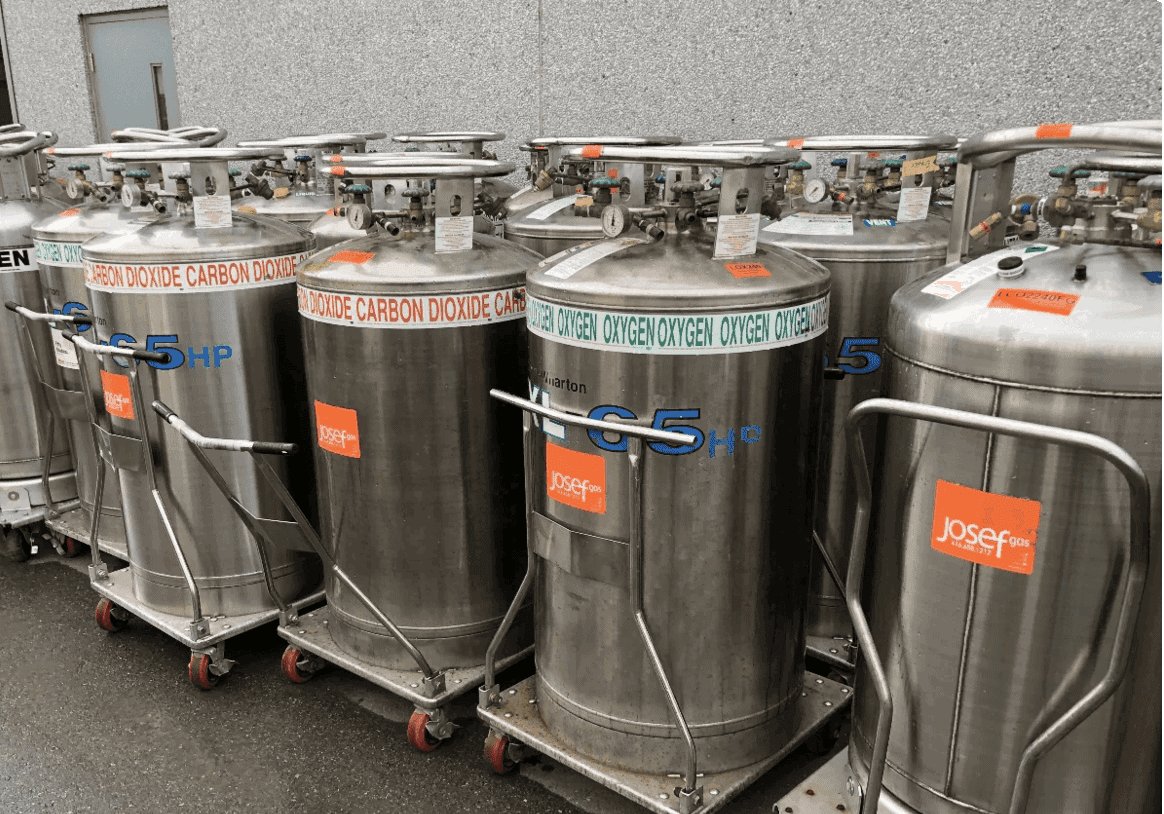
Operating a mobile welding service in the Greater Toronto Area through the winter requires dedication, foresight, and a robust plan for managing gas flow. The challenges of decreased cylinder pressure, regulator freezing, and brittle equipment are real, but they are all solvable with the right preparation and the right partners. Consistency is the goal: a consistent arc, a consistent flow, and consistent high-quality results. By treating your cylinders with care, investing in regulator heaters, and ensuring your equipment is protected from the elements, you can maintain peak productivity and weld quality all winter long. The success of a mobile welder is measured by their ability to complete the job, regardless of the conditions outside.
In the demanding environment of the GTA’s construction and repair sector, relying on a local, knowledgeable supplier for your welding needs is paramount. They provide not just cylinders, but the technical expertise that makes the difference between a smooth job and a frustrating delay. For reliable delivery, expert advice on winter gas mixes, and access to all the necessary cold-weather welding equipment in Toronto, the choice is clear.
If you have any questions about the safe handling and optimal winter use of propane in Toronto for heating or your specialized welding gas in Toronto, GTA requirements, the experts at Josef Gases are ready to assist. For immediate support, call (416) 658-1212 today.



