


Insider Tricks for Cleaner Welds Using Welding Equipment in Toronto
April 27, 2026 7:06 pm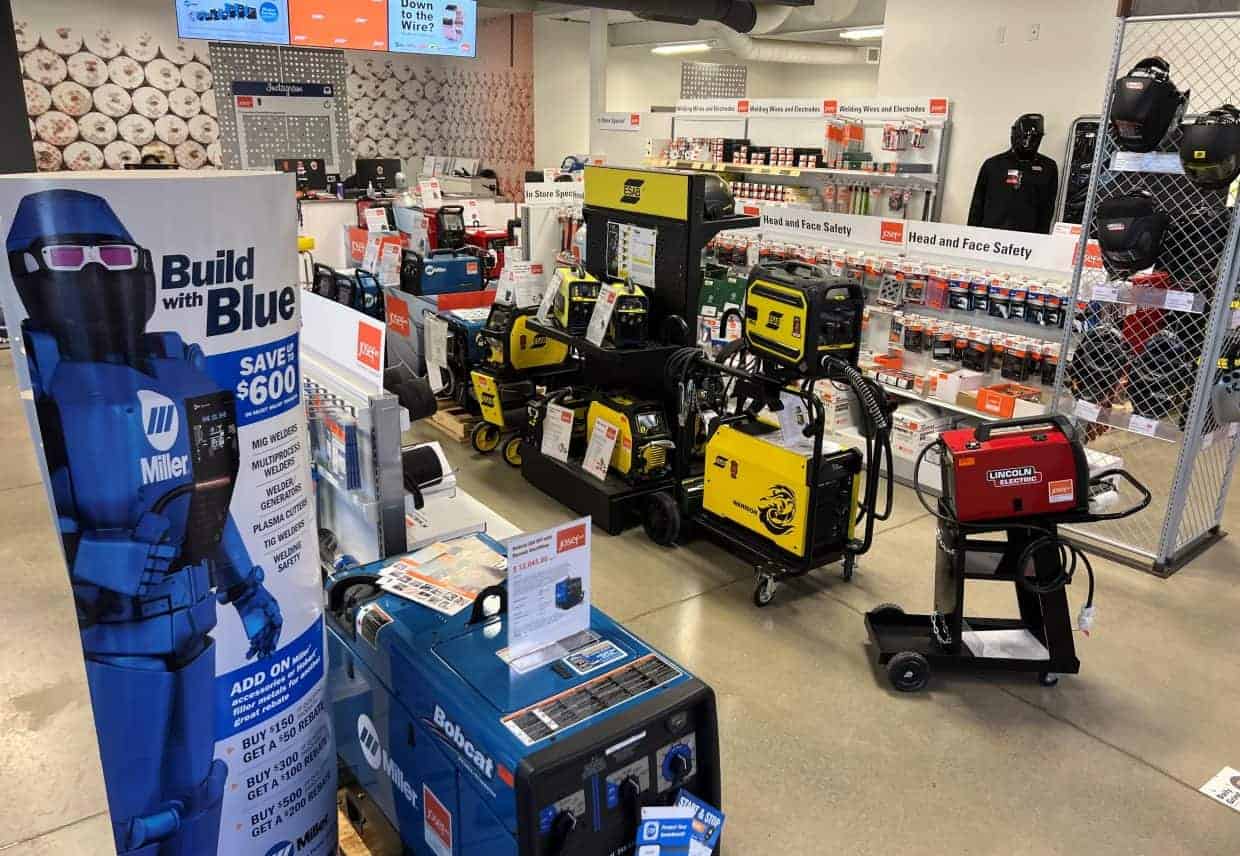
Clean welding is not only about skill. It depends on how well your tools, gas system, and preparation work together. Even small changes in setup can improve bead appearance, strength, and consistency. Many professionals rely on welding equipment in Toronto providers that also understand industrial gas performance because both systems affect the final result. When these elements are properly balanced, weld quality becomes more stable and predictable across different projects.
Here, you will learn practical methods to improve weld cleanliness using simple but proven techniques. It also highlights how equipment and gas selection work together to reduce defects and improve efficiency.
Choosing the Right Welding Equipment for Cleaner, More Precise Welds
Equipment selection is one of the strongest factors affecting weld quality. The wrong setup can lead to spatter, uneven beads, and weak joints. On the other hand, well-matched systems create smoother arcs and better control. This is why choosing the right welding equipment is often the foundation of cleaner welding work.
Proper selection is not only about machine type but also compatibility with gases, consumables, and application needs. When everything aligns correctly, welds require less cleanup and show better structural integrity.
Key points to consider when selecting equipment:
- MIG systems offer speed but require proper tuning for cleaner results
- TIG systems provide higher precision and smoother finishes
- Stick welding is strong but less refined in appearance
- High-quality machines improve arc stability and reduce spatter
- Proper torch design improves control and reduces operator fatigue
Consumables also play a major role. Worn tips or liners can cause arc instability, which directly affects weld appearance. Regular replacement helps maintain consistent performance.
Gas compatibility is another important factor. Shielding gases such as argon or CO₂ blends interact with equipment settings to influence weld smoothness. When paired correctly with welding equipment, results become significantly cleaner.
Reliable suppliers ensure better consistency by providing technical support and access to replacement parts when needed.
Optimizing Gas Flow and Shielding for Cleaner Welds
Gas control is one of the most overlooked factors in welding quality. Even high-end machines cannot produce clean welds without proper shielding. Industrial gases protect the weld pool from contamination, which directly affects strength and appearance.
Important gas flow practices:
- Shielding gases prevent oxygen and nitrogen contamination
- Incorrect flow rates cause porosity and weak welds
- Excess flow creates turbulence that disrupts shielding
- Argon-rich mixtures produce smoother and cleaner finishes
- CO₂ increases penetration but may increase spatter
Stable gas systems are just as important as machine settings. Many welders using welding equipment improve results by regularly checking hoses, regulators, and fittings for leaks or inconsistencies.
A reliable supply chain also matters. A dependable gas supplier in Toronto helps maintain consistent pressure and purity, which reduces variations in weld quality across projects.
When gas flow is stable, welds become more uniform, and post-weld cleanup is reduced significantly.
Surface Preparation Techniques for Flawless Welding Results
Surface preparation is often the difference between a clean weld and a weak joint. Contaminants such as rust, oil, or paint interfere with bonding and gas shielding. Clean metal surfaces allow better fusion and stronger weld integrity.
Proper preparation also improves how welding equipment performs during operation, as the arc remains more stable on clean material.
Key surface preparation steps:
- Remove rust and paint using grinders or wire brushes
- Degrease surfaces to eliminate oil and residue
- Bevel thick materials to improve penetration depth
- Ensure tight fit-up between joint surfaces
- Clean surfaces reduce shielding gas contamination risks
When preparation is done properly, weld defects decrease significantly. It also reduces the amount of rework needed after welding.
Preparation tools such as grinders and cutting discs are essential in most fabrication environments. They ensure that surfaces are ready before welding begins, which leads to more consistent outcomes.
Advanced Welding Techniques for Cleaner Beads and Less Spatter
Technique plays a major role in weld quality. Even with good equipment and gas, poor control can result in uneven beads or excessive spatter. Refining technique helps improve both appearance and strength.
Many welders using welding equipment focus on improving control over time to achieve more consistent results.
Key advanced techniques:
- Maintain steady travel speed to avoid uneven bead formation
- Adjust torch angle for better arc stability
- Use pulse welding to control heat input
- Manage heat to prevent distortion and burn-through
- Match filler materials with base metals
Pulse welding is especially useful because it reduces heat buildup while maintaining fusion strength. This leads to cleaner weld surfaces with less post-work cleaning.
Proper technique also reduces stress on both the machine and the operator. Over time, this improves productivity and weld consistency.
Common Mistakes That Lead to Dirty or Weak Welds
Weld defects often come from small, avoidable mistakes. These issues usually relate to setup, maintenance, or incorrect settings. Understanding them helps improve overall weld quality.
Common mistakes to avoid:
- Incorrect gas flow settings leading to contamination
- Using worn consumables that disrupt arc stability
- Poor grounding causing inconsistent arcs
- Excess heat input leading to distortion
- Neglecting maintenance of welding equipment
Many of these problems can be prevented with regular checks and simple adjustments. For example, replacing worn tips or checking ground clamps can immediately improve weld quality.
Even experienced welders benefit from reviewing these basics regularly to maintain consistent output.
Maintenance Practices for Welding Equipment and Gas Systems
Maintenance ensures long-term performance and safety. Without proper care, equipment performance declines over time, leading to inconsistent weld quality. Both machines and gas systems require attention.
Key maintenance practices:
- Clean machines regularly to remove dust buildup
- Inspect cables, torches, and connectors for wear
- Store gas cylinders upright and secured
- Check regulators and flow meters for accuracy
- Schedule regular servicing for welding equipment
Proper maintenance also supports gas system reliability. Leaks or faulty regulators can affect shielding quality, leading to weld defects. Regular calibration of flow meters helps maintain consistent shielding performance across different welding conditions.
Industrial gases also require proper handling. Some applications use specialty gases, including food grade gas, where purity standards are higher and must be carefully maintained. Proper storage conditions and handling procedures help preserve gas integrity and ensure consistent output quality in sensitive applications.
Routine inspections reduce downtime and improve overall efficiency in welding operations. Keeping a simple maintenance schedule also helps operators detect early signs of wear before they turn into costly repairs or production delays.
Improve Your Welding Equipment in Toronto Performance Today with Josef Gas Solutions
Strong welding results come from a balance of equipment quality, gas stability, and proper technique. When these elements work together, welds become cleaner, stronger, and more consistent across different applications.
Josef Gas supports industrial users with reliable gas supply and equipment solutions designed for performance and consistency. Our products and services help improve workflow efficiency while maintaining high-quality output standards.
If you want better results from your welding equipment in Toronto, expert support can make a noticeable difference in both consistency and safety.
For professional assistance, contact Josef Gas at 416-658-1212 today and improve your welding performance with dependable solutions tailored to your needs.



